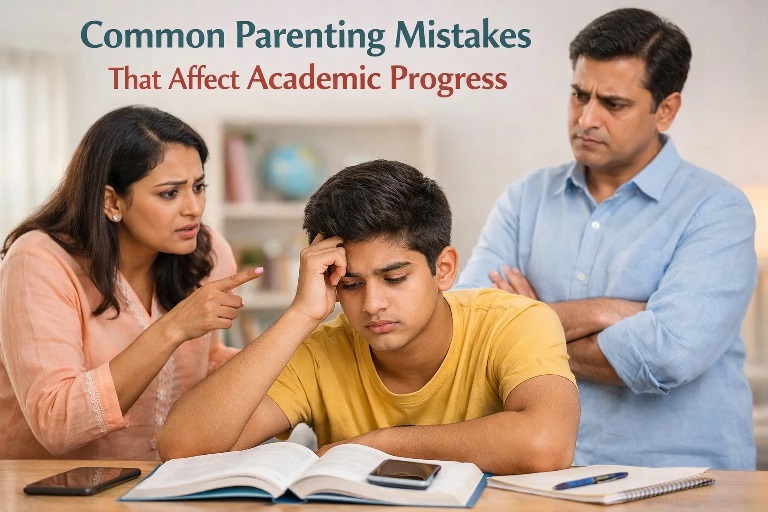
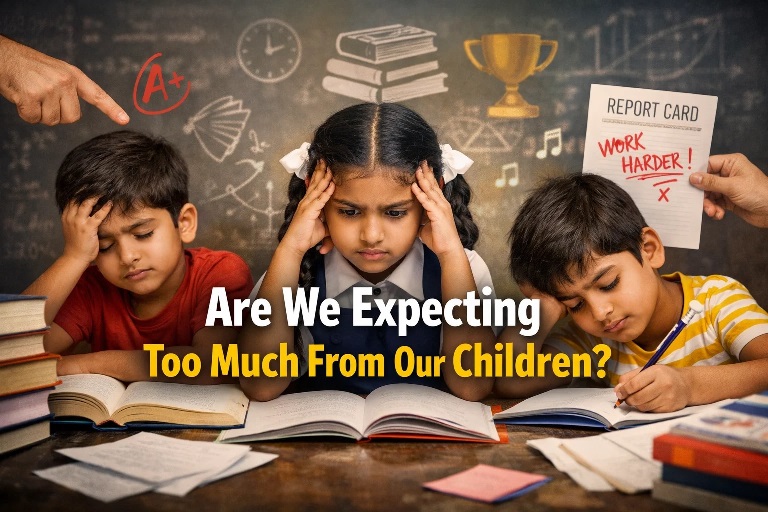
In today’s competitive world, many parents wonder whether they are asking too much from their children. From academics to extracurricular activities, children are often expected to excel in every area. While encouraging children to do well is important, excessive pressure can sometimes harm their confidence, motivation, and overall well-being.
Academic Pressure and Young Learners
Academic performance is often the first area where parents set high expectations. Children from Class 1 to Class 6 are in their foundational years, learning essential concepts in subjects like mathematics, science, and language. Piling on too much pressure at this stage can lead to stress, anxiety, and even a dislike for learning.
Many Indian schools focus heavily on exam results and scoring high marks. While this approach can develop discipline, it may also reduce a child’s natural curiosity and creativity. Encouraging learning through understanding rather than rote memorization helps children build a stronger academic foundation.
Comparing Curriculums: CBSE, ICSE, State Boards, and IB
Different school boards have varying levels of academic demands. For example:
-
CBSE emphasizes structured learning and regular testing. Students are expected to maintain consistency but the syllabus is relatively manageable for primary classes.
-
ICSE often has a more detailed curriculum with higher expectations in language and literature.
-
State Boards may have less intensive syllabi but still expect regular performance in exams.
-
International Baccalaureate (IB) focuses on inquiry-based learning, critical thinking, and holistic development. While IB encourages creativity and self-directed learning, children may still feel pressure due to projects, assessments, and extended tasks.
Understanding the specific demands of a child’s curriculum is important. Parents can adjust expectations based on the learning style and pace of their child, rather than comparing them to others in different boards or schools.
The Balance Between Encouragement and Pressure
It is natural for parents to want the best for their children. However, excessive expectations can backfire. Some signs that children may be under too much pressure include reluctance to study, frequent stress or anxiety, low self-confidence, and negative feelings about school.
Encouragement should focus on effort rather than results. Praising a child for trying, exploring, and improving gradually can motivate them to enjoy learning. Allowing children to make mistakes, explore their interests, and learn at their own pace creates a supportive environment where they can thrive.
Importance of Holistic Development
Children are more than just their academic achievements. Participation in sports, arts, hobbies, and social activities is equally important for building confidence, teamwork, and problem-solving skills. A balanced routine with time for rest, play, and learning helps children stay motivated and reduces burnout.
For parents, understanding that each child has unique strengths and challenges is key. Setting realistic goals and giving children room to grow helps develop not just academic skills but emotional resilience as well.
Supporting Your Child Effectively
As an experienced tutor teaching students from Class 1 to Class 6, I often see children struggling because of high expectations. Online tuition can provide the support children need without adding extra stress. Individualized guidance helps children strengthen concepts, gain confidence, and improve academic performance in a structured yet calm environment.
Parents can support their children by maintaining open communication, providing encouragement, and celebrating progress, no matter how small. This approach fosters a love for learning and helps children achieve success in a healthy and sustainable way.
Conclusion
Expecting your child to do well is natural, but excessive pressure can harm their overall development. Understanding the curriculum demands, supporting holistic growth, and focusing on effort rather than just results can create a positive learning environment. By balancing expectations with care and guidance, parents can help their children thrive academically and emotionally.
By Nidhi Mehta – India Tutor Online
Class 1 to 6 All Subjects
Call/Whatsapp: +91 9811521621