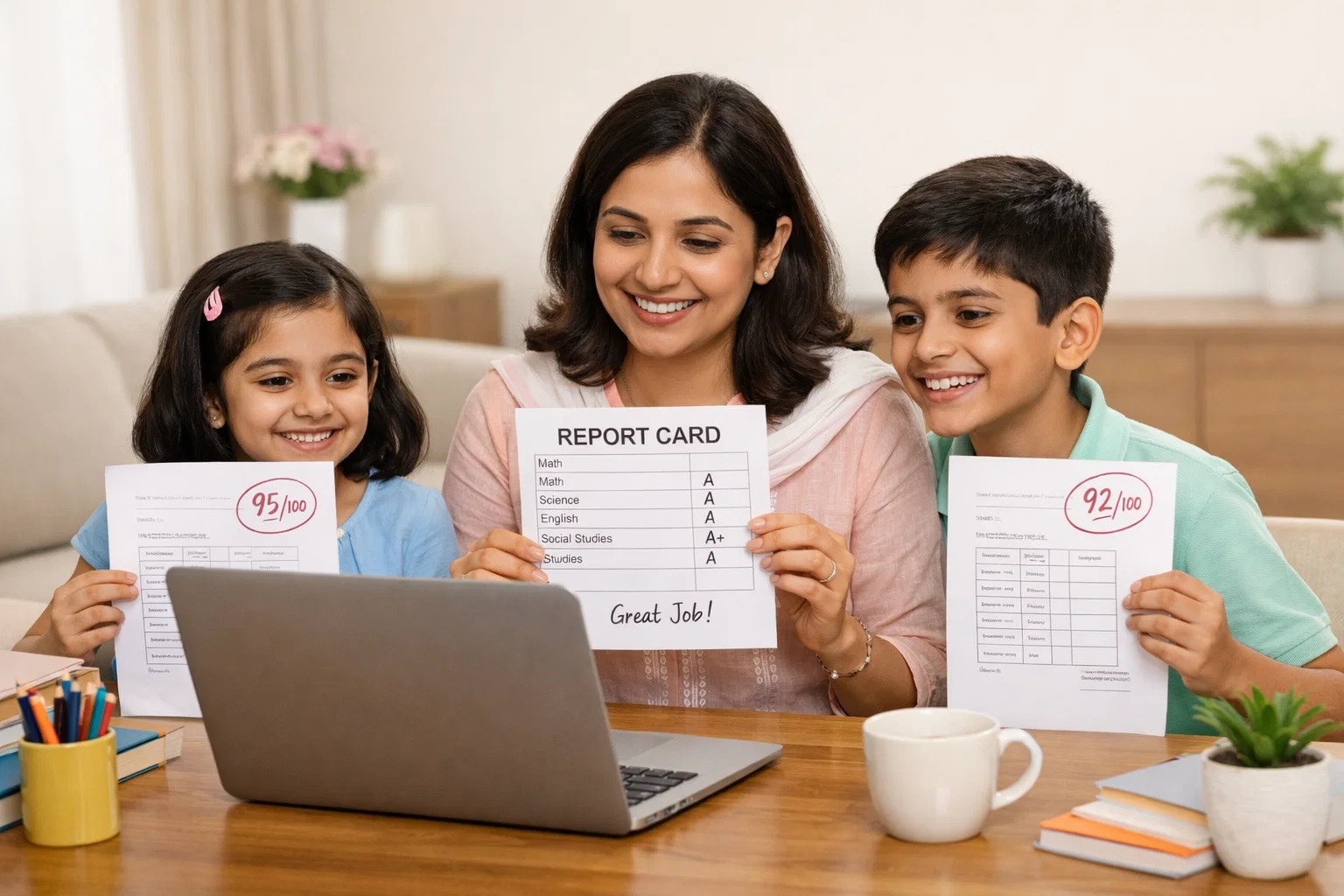

Supporting your child’s learning at home is essential for their academic success, especially in the early years from Class 1 to Class 6. As children progress through primary school, they face new concepts, subjects, and challenges that require guidance, motivation, and consistent support. Parents play a vital role in creating a learning environment that encourages understanding, curiosity, and confidence. Here are practical ways parents can help their children learn effectively at home.
Create a Positive Learning Environment
A calm and organized space for studying is the first step to successful learning. Ensure that your child has a quiet area with minimal distractions, good lighting, and necessary study materials such as books, notebooks, and stationery. A dedicated study space signals to the child that learning is important and helps them focus better.
Establish a Regular Study Routine
Consistency is key for primary school students. Set up a daily schedule that balances study time, breaks, and recreational activities. Short, focused sessions are more effective than long, tiring ones. By establishing a routine, children develop discipline and learn to manage their time effectively, which improves overall learning outcomes.
Encourage Active Participation
Learning is most effective when children actively engage with the material. Encourage your child to ask questions, explain concepts in their own words, and attempt exercises independently. Active participation not only improves understanding but also builds confidence in handling schoolwork and exams.
Support Homework and Assignments
While it is important to encourage independence, parents should provide guidance with homework and assignments. Discuss the tasks with your child, clarify doubts, and ensure they understand the concepts behind the questions rather than just completing the work. This approach strengthens learning and helps them retain knowledge for the long term.
Incorporate Fun Learning Methods
Making learning enjoyable can significantly improve engagement. Use educational games, puzzles, flashcards, and interactive activities related to subjects like mathematics, science, and English. Reading stories, watching educational videos, and conducting simple experiments at home can also make learning more interesting and relatable.
Communicate with Teachers and Tutors
Regular communication with your child’s teachers or online tutors is essential to track progress and address any challenges. Discuss areas where your child may need extra attention and collaborate on strategies to support their learning. This ensures a consistent approach between school and home.
Encourage Reading and Writing
Developing strong reading and writing skills early on lays the foundation for academic success. Encourage your child to read books, magazines, and articles suited to their age. Practice writing short essays, stories, and summaries to enhance their comprehension, vocabulary, and grammar skills.
Provide Emotional Support and Motivation
Children respond positively to encouragement and praise. Celebrate their achievements, however small, and provide gentle guidance when they struggle. Building a positive attitude toward learning helps children develop confidence, resilience, and a lifelong love for education.
Supporting learning at home is not about doing the work for your child but creating an environment that fosters curiosity, independence, and understanding. By following these strategies, parents can play an active role in their child’s academic growth and help them succeed in school with confidence.
By Nidhi Mehta – India Tutor Online
Class 1 to 6 All Subjects
Call/Whatsapp: +91 9811521621