
Improving English Vocabulary for Primary Students

Building a strong vocabulary is an essential part of learning English, especially for children in Class 1 to Class 6. A rich vocabulary not only helps students read and write better but also improves their speaking and comprehension skills. With consistent practice and the right techniques, parents and teachers can help children expand their English word bank effectively.

Why Vocabulary Matters for Primary Students

Vocabulary forms the foundation of all language skills. When children know more words, they can understand their textbooks more easily, express themselves clearly, and perform better in exams. A strong vocabulary also boosts confidence in reading, writing, and speaking English. Developing vocabulary at an early age creates a solid base for future learning in higher classes.

Techniques to Improve Vocabulary

1. Reading Regularly

Encourage children to read age-appropriate books, storybooks, and short articles. Reading introduces new words in context, helping children understand their meanings naturally. Parents can discuss the stories with their child, asking questions about the plot, characters, and interesting words.

2. Word Lists and Flashcards

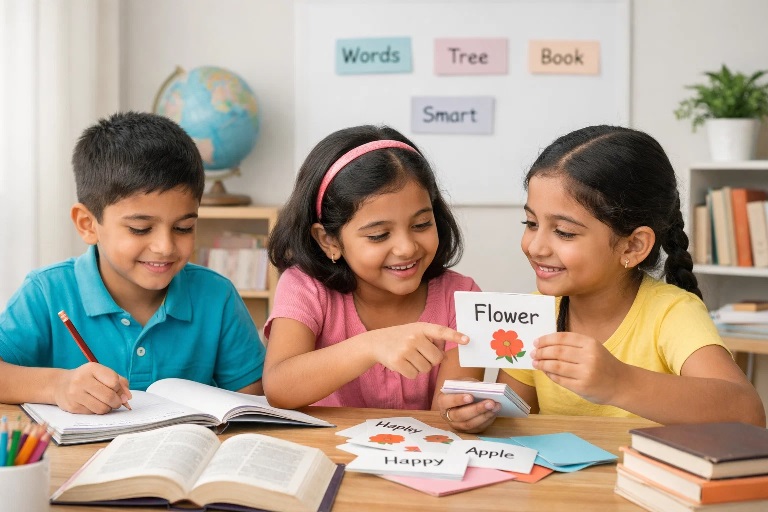
Creating simple word lists or flashcards with new words is an effective method. Include the word, its meaning, and an example sentence. Daily practice of 5 to 10 new words helps children remember them better over time. Flashcards can also be made colorful and interactive to keep young learners engaged.

3. Use of Vocabulary in Daily Life

Encourage children to use new words in their daily conversations, writing short stories, or answering questions at home. Using words in real-life situations helps reinforce learning and improves retention.

4. Learning Through Games

Games like word puzzles, crossword puzzles, and word matching can make vocabulary learning fun. Educational apps and online resources also provide interactive ways to introduce new words. When children enjoy the process, they are more likely to remember what they learn.

5. Contextual Understanding

Teach children to understand the meaning of new words from the context in which they appear. Instead of memorizing the dictionary meaning, children can look at how the word is used in sentences, which enhances comprehension and usage.

6. Regular Review and Practice

Revisiting previously learned words ensures that children retain them in their long-term memory. Parents can ask children to write sentences using old words or have small quizzes to make the review process engaging.

Creating a Positive Learning Environment

It is important to be patient and encouraging. Praise children for using new words correctly and gently correct mistakes. A positive environment motivates them to try new words without fear of errors.

Conclusion

Improving English vocabulary for primary students is a gradual but rewarding process. By combining reading, practical usage, games, and consistent practice, children can expand their vocabulary effectively. Strong vocabulary skills will not only help them excel in English but also enhance their overall academic performance and communication abilities.

By Nidhi Mehta – India Tutor Online

Class 1 to 6 All Subjects

Call/Whatsapp: +91 9811521621

Building Good Study Habits from an Early Age

Building good study habits from an early age plays a crucial role in a child’s academic success. For students from Class 1 to Class 6, this is the stage where learning patterns, discipline, and confidence begin to take shape. When children develop healthy study habits early, they find it easier to understand concepts, manage time, and perform well as academic demands increase.

Why Early Study Habits Matter

Primary school years are the foundation of a child’s learning journey. At this stage, children are curious, receptive, and open to guidance. Good study habits help them learn how to focus, follow routines, and approach studies with a positive mindset. Instead of studying only before exams, children who develop regular habits learn consistently and feel less pressure during assessments.

Strong study habits also build self-discipline. Children learn responsibility and independence, which prepares them not just for higher classes but also for life beyond school.

Creating a Simple and Consistent Routine

A fixed study routine helps children know when it is time to study and when it is time to relax. Parents should create a daily schedule that includes schoolwork, revision, playtime, and rest. For young students, short and focused study sessions work better than long hours.

Studying at the same time each day helps children build discipline naturally. A quiet and comfortable study space, free from distractions, further improves concentration and learning efficiency.

Encouraging Understanding Over Memorization

One of the most important study habits is focusing on understanding concepts instead of memorizing answers. Children should be encouraged to ask questions and clear doubts as soon as they arise. When students understand the “why” behind a concept, they remember it better and can apply it confidently.

Parents and teachers should explain topics in simple language and relate them to real-life examples. This makes learning more meaningful and enjoyable for young learners.

Developing Reading and Writing Habits

Regular reading improves vocabulary, comprehension, and overall language skills. Even simple storybooks or age-appropriate reading material can make a big difference. Writing practice, such as short paragraphs or answers in the child’s own words, helps strengthen understanding and expression.

These habits are especially important for English language development in primary classes.

Teaching Time Management and Responsibility

Children should be guided to complete homework on time and revise lessons regularly. Simple checklists or planners can help them learn how to organize tasks. This builds responsibility and reduces last-minute stress.

Parents should encourage effort rather than just results. Appreciation and positive feedback motivate children to stay consistent with their studies.

Role of Online Tuition in Building Study Habits

Personalized online tuition can play a strong role in shaping good study habits. One-to-one guidance helps identify learning gaps early and reinforces discipline through regular practice. With the right support, children gain confidence and develop a structured approach to learning.

Building good study habits from an early age sets children on a path of lifelong learning. With patience, consistency, and the right guidance, students from Class 1 to Class 6 can develop habits that support both academic success and personal growth.

By Nidhi Mehta – India Tutor Online Class 1 to 6 All Subjects – Call/WhatsApp: +91 9811521621

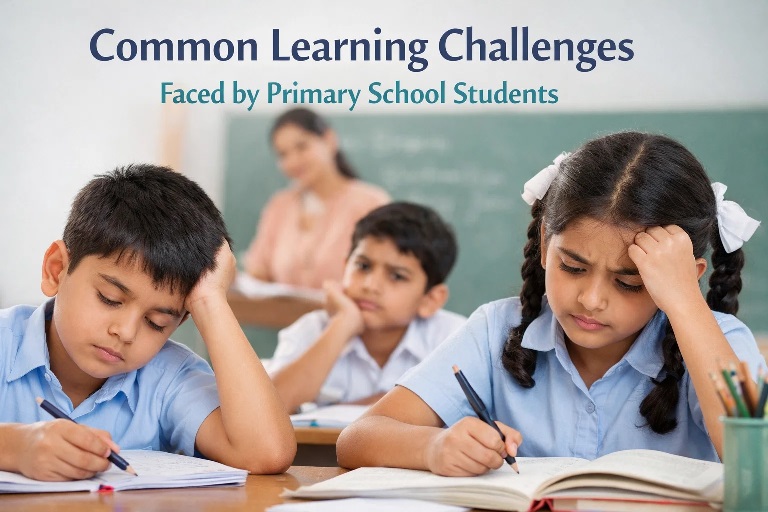
Common Learning Challenges Faced by Primary School Students

Primary school years play a crucial role in shaping a child’s learning habits and academic foundation. Classes 1 to 6 are the stages where children learn basic concepts in subjects like Mathematics, English, Science, and EVS. When a child struggles during these years, timely academic support can make a significant difference. Many parents wait too long, assuming the child will improve with time. Recognizing early signs can help prevent long-term learning gaps.

Difficulty Understanding Basic Concepts

One of the most common signs is when a child finds it hard to understand basic concepts even after repeated explanations. This may include difficulty with simple maths operations, reading comprehension, or understanding instructions. If your child often says “I don’t understand” or avoids certain subjects, it may indicate the need for extra academic support.

Lack of Interest in Studies

If your child frequently avoids homework, delays study time, or shows no interest in schoolwork, it could be more than just distraction. Often, children lose interest when they feel overwhelmed or unable to cope with lessons taught in class. Extra guidance can help rebuild confidence and make learning enjoyable again.

Poor Academic Performance Despite Effort

Some children put in effort but still struggle to perform well in tests and exams. Low marks, incomplete answers, or frequent mistakes can indicate gaps in understanding. When effort does not match results, personalized academic support can help identify and address weak areas.

Trouble Completing Homework Independently

Primary students are expected to gradually develop independent study habits. If your child constantly needs help with homework or cannot complete assignments without supervision, it may be a sign that concepts are not clear. Extra academic support can help children become more confident and self-reliant learners.

Difficulty with Reading and Writing Skills

Reading and writing are essential skills in primary education. Slow reading, poor spelling, unclear handwriting, or difficulty forming sentences can affect overall academic performance. Early support in language skills can prevent future learning difficulties across all subjects.

Lack of Confidence in the Classroom

Children who avoid answering questions, hesitate to participate, or feel anxious about tests may be struggling academically. Low confidence often develops when a child feels they are not keeping up with classmates. With the right academic support, children can regain confidence and actively engage in learning.

Frequent Complaints About School

If your child regularly complains about school, teachers, or specific subjects, it may be their way of expressing academic stress. Such behavior should not be ignored, as it often signals underlying learning challenges.

How Extra Academic Support Helps

Extra academic support provides personalized attention, helps strengthen basic concepts, and allows children to learn at their own pace. It encourages consistent practice, clears doubts, and builds strong learning habits. Early intervention in primary classes helps children stay confident and prepared for higher classes.

Recognizing these signs early and taking action can help your child enjoy learning and achieve steady academic growth.

By Nidhi Mehta – India Tutor Online
Class 1 to 6 All Subjects
Call/WhatsApp: +91 9811521621

error: Content is protected !!