

How to Study Smarter and Remember Better

Studying does not mean sitting for long hours with books. For students from Class 1 to Class 6, learning becomes easier and more enjoyable when they follow smart study habits. Studying smarter helps children understand concepts clearly and remember what they learn for a longer time. With the right approach, every child can improve focus, confidence, and academic performance.

Create a Daily Study Routine

A simple and regular study routine helps the brain get used to learning at fixed times. Children should study at the same time every day in a quiet and comfortable place. Short study sessions with small breaks work better than long hours of continuous study. A routine builds discipline and reduces last-minute stress before tests or exams.

Understand the Concept Before Memorizing

Rote learning makes it hard to remember lessons for long. Students should first understand the concept being taught. When a child knows why something works, remembering it becomes easier. Asking questions, reading examples, and discussing topics with a teacher or parent helps in better understanding.

Study in Small Portions

Trying to learn too many topics at once can confuse young students. It is better to divide lessons into small parts. Completing one topic at a time gives a sense of achievement and improves concentration. Small portions are easier to revise and remember.

Use Writing and Practice

Writing plays an important role in memory. When students write answers, solve sums, or practice spellings, their brain remembers the information better. Regular practice of mathematics problems, writing short answers, and revising notes helps strengthen learning.

Read Aloud and Explain in Your Own Words

Reading aloud helps students hear and understand what they are learning. Another effective method is explaining the lesson in their own words to a parent, sibling, or even themselves. Teaching someone else is one of the best ways to remember a topic.

Use Simple Visual Aids

Pictures, diagrams, charts, and mind maps make learning interesting and easier to remember. Visual aids are especially helpful for subjects like Science, EVS, and English. Colorful notes and drawings can help children recall information quickly during exams.

Revise Regularly

Revision is the key to strong memory. Revising lessons daily or weekly helps students remember topics for a longer time. Instead of studying everything again, quick revision of important points is enough. Regular revision reduces fear before tests.

Take Proper Rest and Stay Healthy

A fresh mind learns better. Proper sleep, healthy food, and short breaks during study time are important for good concentration. Tiredness makes it difficult to focus and remember. Playing, relaxing, and getting enough rest helps students study better.

Stay Positive and Confident

Every child learns at a different pace. Making mistakes is a part of learning. Encouraging words, patience, and a positive attitude help students feel confident. Confidence improves memory and reduces fear of studies.

Studying smarter is about using the right methods, not spending more time. With regular practice, understanding, and guidance, students from Class 1 to Class 6 can learn effectively and remember better.

By Nidhi Mehta
India Tutor Online Class 1 to 6 All Subjects
Call/Whatsapp: +91 9811521621
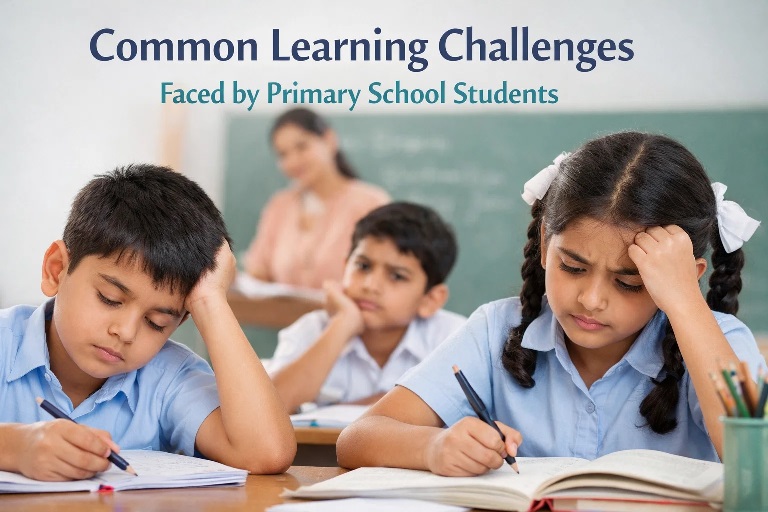
Common Learning Challenges Faced by Primary School Students

Primary school years play a crucial role in shaping a child’s learning habits and academic foundation. Classes 1 to 6 are the stages where children learn basic concepts in subjects like Mathematics, English, Science, and EVS. When a child struggles during these years, timely academic support can make a significant difference. Many parents wait too long, assuming the child will improve with time. Recognizing early signs can help prevent long-term learning gaps.

Difficulty Understanding Basic Concepts

One of the most common signs is when a child finds it hard to understand basic concepts even after repeated explanations. This may include difficulty with simple maths operations, reading comprehension, or understanding instructions. If your child often says “I don’t understand” or avoids certain subjects, it may indicate the need for extra academic support.

Lack of Interest in Studies

If your child frequently avoids homework, delays study time, or shows no interest in schoolwork, it could be more than just distraction. Often, children lose interest when they feel overwhelmed or unable to cope with lessons taught in class. Extra guidance can help rebuild confidence and make learning enjoyable again.

Poor Academic Performance Despite Effort

Some children put in effort but still struggle to perform well in tests and exams. Low marks, incomplete answers, or frequent mistakes can indicate gaps in understanding. When effort does not match results, personalized academic support can help identify and address weak areas.

Trouble Completing Homework Independently

Primary students are expected to gradually develop independent study habits. If your child constantly needs help with homework or cannot complete assignments without supervision, it may be a sign that concepts are not clear. Extra academic support can help children become more confident and self-reliant learners.

Difficulty with Reading and Writing Skills

Reading and writing are essential skills in primary education. Slow reading, poor spelling, unclear handwriting, or difficulty forming sentences can affect overall academic performance. Early support in language skills can prevent future learning difficulties across all subjects.

Lack of Confidence in the Classroom

Children who avoid answering questions, hesitate to participate, or feel anxious about tests may be struggling academically. Low confidence often develops when a child feels they are not keeping up with classmates. With the right academic support, children can regain confidence and actively engage in learning.

Frequent Complaints About School

If your child regularly complains about school, teachers, or specific subjects, it may be their way of expressing academic stress. Such behavior should not be ignored, as it often signals underlying learning challenges.

How Extra Academic Support Helps

Extra academic support provides personalized attention, helps strengthen basic concepts, and allows children to learn at their own pace. It encourages consistent practice, clears doubts, and builds strong learning habits. Early intervention in primary classes helps children stay confident and prepared for higher classes.

Recognizing these signs early and taking action can help your child enjoy learning and achieve steady academic growth.

By Nidhi Mehta – India Tutor Online
Class 1 to 6 All Subjects
Call/WhatsApp: +91 9811521621

error: Content is protected !!