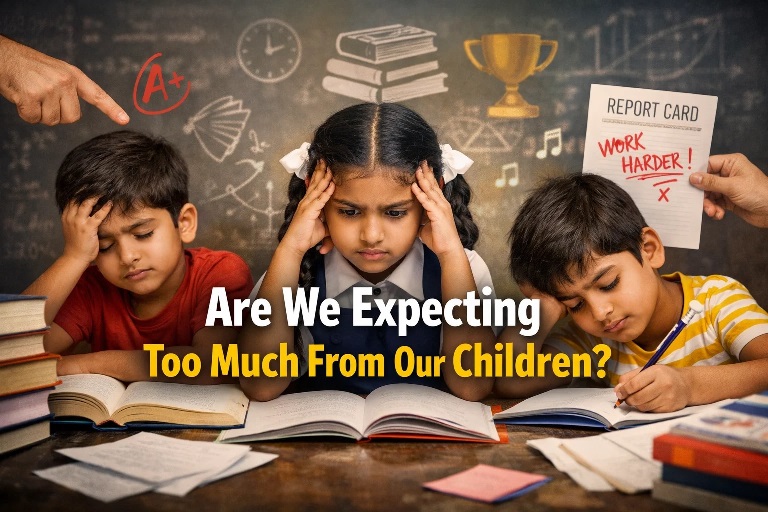
Are We Expecting Too Much From Our Children

Are We Expecting Too Much From Our Children

In today’s competitive world, many parents wonder whether they are asking too much from their children. From academics to extracurricular activities, children are often expected to excel in every area. While encouraging children to do well is important, excessive pressure can sometimes harm their confidence, motivation, and overall well-being.

Academic Pressure and Young Learners

Academic performance is often the first area where parents set high expectations. Children from Class 1 to Class 6 are in their foundational years, learning essential concepts in subjects like mathematics, science, and language. Piling on too much pressure at this stage can lead to stress, anxiety, and even a dislike for learning.

Many Indian schools focus heavily on exam results and scoring high marks. While this approach can develop discipline, it may also reduce a child’s natural curiosity and creativity. Encouraging learning through understanding rather than rote memorization helps children build a stronger academic foundation.

Comparing Curriculums: CBSE, ICSE, State Boards, and IB

Different school boards have varying levels of academic demands. For example:

  • CBSE emphasizes structured learning and regular testing. Students are expected to maintain consistency but the syllabus is relatively manageable for primary classes.

  • ICSE often has a more detailed curriculum with higher expectations in language and literature.

  • State Boards may have less intensive syllabi but still expect regular performance in exams.

  • International Baccalaureate (IB) focuses on inquiry-based learning, critical thinking, and holistic development. While IB encourages creativity and self-directed learning, children may still feel pressure due to projects, assessments, and extended tasks.

Understanding the specific demands of a child’s curriculum is important. Parents can adjust expectations based on the learning style and pace of their child, rather than comparing them to others in different boards or schools.

The Balance Between Encouragement and Pressure

It is natural for parents to want the best for their children. However, excessive expectations can backfire. Some signs that children may be under too much pressure include reluctance to study, frequent stress or anxiety, low self-confidence, and negative feelings about school.

Encouragement should focus on effort rather than results. Praising a child for trying, exploring, and improving gradually can motivate them to enjoy learning. Allowing children to make mistakes, explore their interests, and learn at their own pace creates a supportive environment where they can thrive.

Importance of Holistic Development

Children are more than just their academic achievements. Participation in sports, arts, hobbies, and social activities is equally important for building confidence, teamwork, and problem-solving skills. A balanced routine with time for rest, play, and learning helps children stay motivated and reduces burnout.

For parents, understanding that each child has unique strengths and challenges is key. Setting realistic goals and giving children room to grow helps develop not just academic skills but emotional resilience as well.

Supporting Your Child Effectively

As an experienced tutor teaching students from Class 1 to Class 6, I often see children struggling because of high expectations. Online tuition can provide the support children need without adding extra stress. Individualized guidance helps children strengthen concepts, gain confidence, and improve academic performance in a structured yet calm environment.

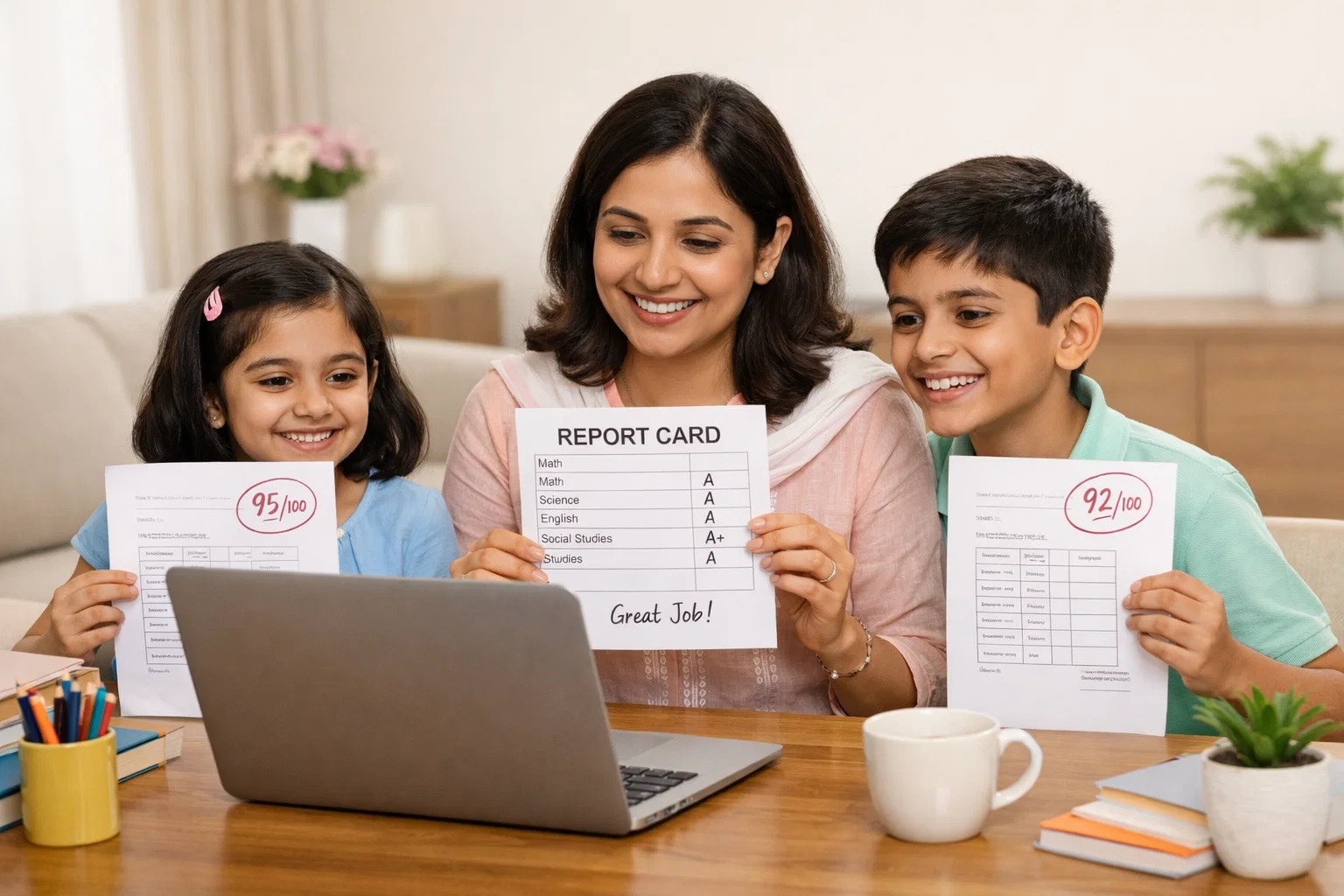
Parents can support their children by maintaining open communication, providing encouragement, and celebrating progress, no matter how small. This approach fosters a love for learning and helps children achieve success in a healthy and sustainable way.

Conclusion

Expecting your child to do well is natural, but excessive pressure can harm their overall development. Understanding the curriculum demands, supporting holistic growth, and focusing on effort rather than just results can create a positive learning environment. By balancing expectations with care and guidance, parents can help their children thrive academically and emotionally.

By Nidhi Mehta – India Tutor Online

Class 1 to 6 All Subjects

Call/Whatsapp: +91 9811521621

Balancing Expectations and Emotional Wellbeing in Children

Balancing Expectations and Emotional Wellbeing in Children

In today’s competitive academic environment, parents often have high expectations from their children. While ambition and guidance are important, balancing expectations with a child’s emotional wellbeing is crucial, especially for students in primary and middle school. Children from Class 1 to Class 6 are at a formative stage where their confidence, motivation, and learning habits are being shaped. Overloading them with pressure can affect not only academic performance but also mental health.

Understanding Academic Expectations

Academic expectations vary widely depending on the curriculum and school system. In India, children often follow CBSE or ICSE boards, where performance in exams and regular assessments is highly emphasized. In comparison, international curriculums like IB (International Baccalaureate) focus on holistic development, including emotional and social learning alongside academics. While IB encourages critical thinking and creativity, Indian boards are generally more structured around memorization and exam results. Understanding these differences can help parents set realistic goals tailored to the curriculum their child follows.

Recognizing Emotional Needs

Children’s emotional needs are just as important as their academic requirements. Pressure to perform can lead to stress, anxiety, or loss of interest in learning. Signs that a child is overwhelmed include frequent mood swings, complaints of headaches or stomach aches, avoidance of studies, or a sudden drop in grades. Parents should observe these signs carefully and provide supportive guidance rather than criticism.

Strategies to Balance Expectations

Encourage Open Communication

Creating an environment where children feel comfortable expressing their feelings is essential. Ask your child about their challenges, successes, and worries. This not only strengthens parent-child relationships but also helps identify areas where additional support may be needed.

Set Realistic Goals

Goals should be achievable and age-appropriate. For primary students, focusing on learning and understanding concepts is more important than comparing marks with classmates. Rewarding effort rather than just results encourages a positive mindset and intrinsic motivation.

Focus on Strengths and Interests

Children are more motivated when they engage in activities they enjoy. Identifying their strengths and nurturing them can boost confidence and reduce stress. For example, a child good at creative writing or mathematics can be encouraged to pursue those interests alongside regular studies.

Create a Balanced Schedule

A well-structured daily routine that includes study time, playtime, hobbies, and rest ensures that children do not feel overburdened. Breaks between study sessions can improve focus and productivity, while extracurricular activities contribute to emotional growth.

Provide Guidance, Not Pressure

While guidance is necessary, excessive pressure can backfire. Help children plan their studies, review lessons together, and offer support when needed. Celebrate small achievements and progress rather than emphasizing only final results.

Role of Schools and Teachers

Teachers play a critical role in maintaining a child’s emotional wellbeing. Schools following IB or other international boards often include counseling sessions and encourage a supportive classroom environment. Even in structured curriculums like CBSE or ICSE, teachers can help by giving constructive feedback and recognizing individual effort.

Supporting Emotional Wellbeing at Home

Parents can reinforce emotional resilience by:

    • Maintaining a positive home atmosphere
    • Listening actively to their child’s concerns
    • Modeling stress management and healthy coping strategies
    • Encouraging peer interaction and social skills development

Children who feel supported emotionally are more likely to enjoy learning, take on challenges confidently, and perform better academically.

Balancing expectations and emotional wellbeing is an ongoing process that requires patience, observation, and adaptability. By focusing on holistic development, celebrating effort, and understanding the curriculum-specific demands, parents can help their children thrive both academically and emotionally.

By Nidhi Mehta – India Tutor Online Class 1 to 6 All Subjects – Call/Whatsapp: +91 9811521621

error: Content is protected !!