Learning maths does not have to be stressful or boring, especially for young children. When maths is taught in a fun and practical way, students understand concepts faster and feel more confident. For students from Class 1 to Class 6, learning maths at home can be both enjoyable and effective if the right methods are used. Parents can play an important role by turning everyday activities into learning opportunities.
Use Everyday Objects for Maths Practice
One of the simplest ways to teach maths at home is by using everyday household items. Counting fruits, vegetables, toys, or coins helps younger children understand numbers and basic operations. For older students, parents can use these items to explain addition, subtraction, multiplication, and division. This hands-on approach makes maths more real and easier to understand.
Turn Maths into Games
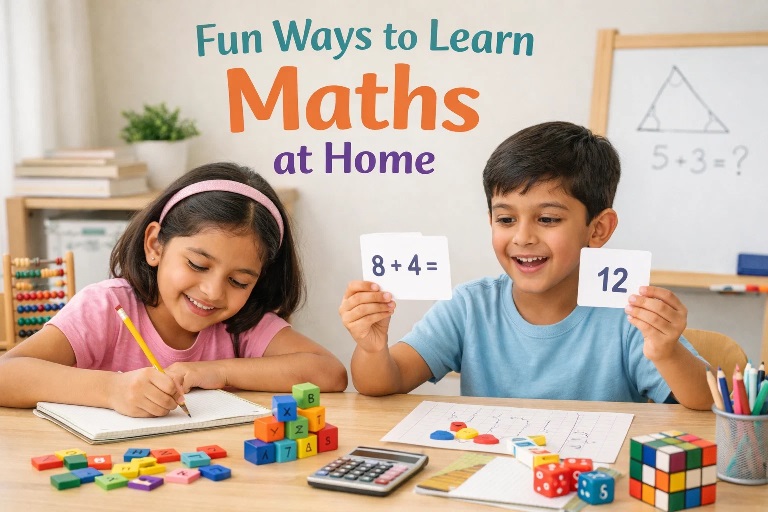
Games are a powerful way to make learning enjoyable. Simple board games, dice games, and card games can help children improve counting, number recognition, and mental maths skills. For example, rolling dice and adding numbers or playing simple calculation games can strengthen basic maths concepts without pressure. When learning feels like play, children are more willing to participate.
Involve Maths in Daily Activities
Daily routines offer many chances to practice maths. Cooking can be used to teach measurements and fractions. Shopping can help children understand money, addition, subtraction, and comparison of prices. Time management activities such as reading the clock or planning a daily schedule can improve understanding of time and numbers. These activities help children see how maths is used in real life.
Encourage Mental Maths Practice
Mental maths helps students develop speed and accuracy. Parents can ask quick questions during free time, such as simple additions, subtractions, or multiplication problems. Short and regular mental maths practice builds confidence and improves problem-solving skills, especially for students in higher primary classes.
Use Visual Learning Methods
Many children learn better through visuals. Using number charts, flashcards, and diagrams can make complex concepts easier to understand. Drawing shapes, patterns, and number lines helps children grasp ideas like geometry, sequences, and place value. Visual learning supports long-term understanding and memory.
Break Learning into Small Steps
Maths can feel overwhelming if too much is taught at once. Breaking lessons into small, manageable steps helps children learn comfortably. Each concept should be clearly understood before moving to the next. Regular revision also plays an important role in strengthening maths skills.
Create a Positive Learning Environment
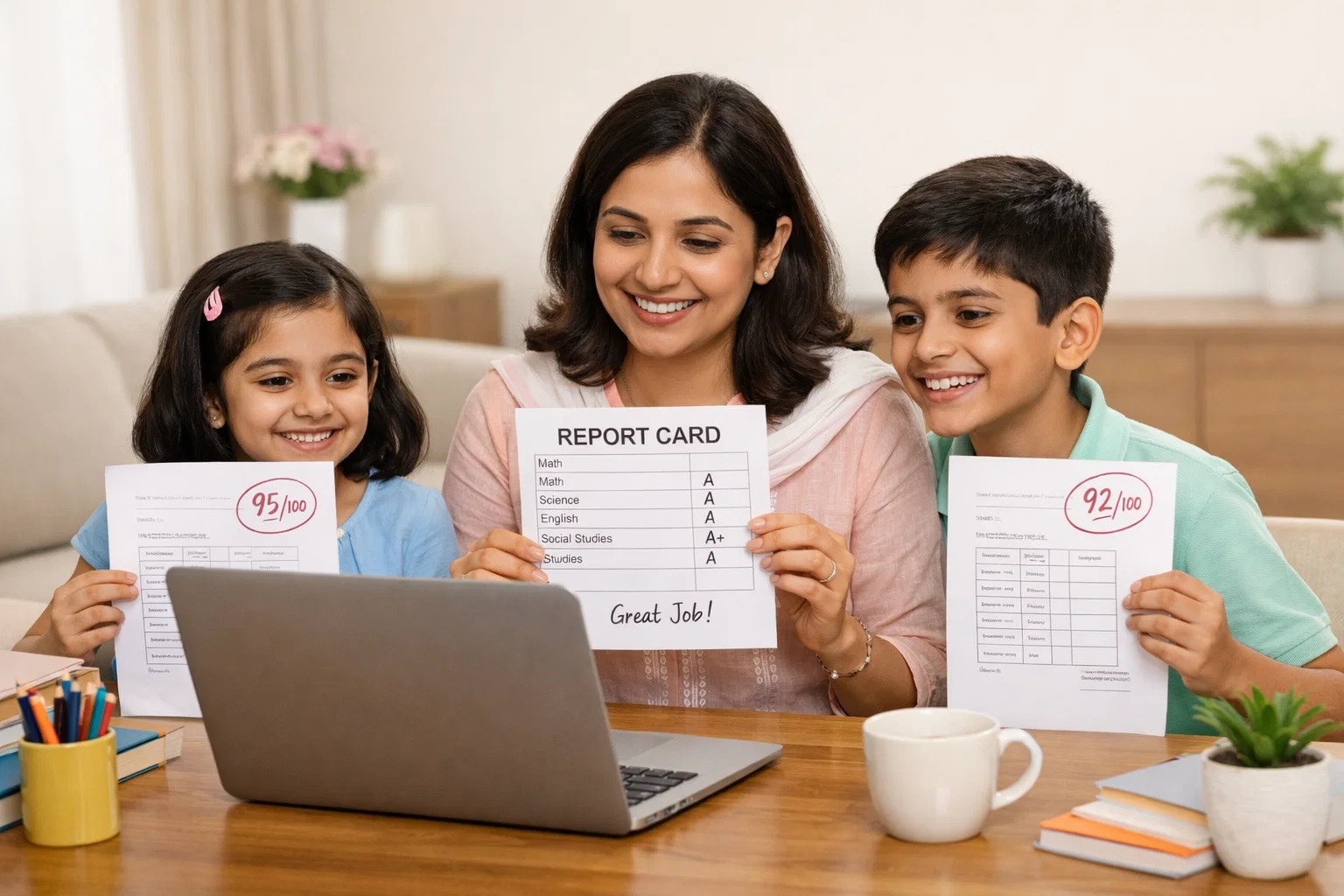
A calm and encouraging learning environment helps children perform better. Mistakes should be treated as learning opportunities rather than failures. Praising effort and progress builds confidence and reduces fear of maths. When children feel supported, they are more open to learning.
Conclusion
Learning maths at home can be fun, engaging, and effective when taught using practical and creative methods. By using everyday activities, games, visuals, and positive encouragement, parents can help their children build strong maths foundations. Early support and the right guidance can make a lasting difference in a child’s academic journey.
By Nidhi Mehta – India Tutor Online
Class 1 to 6 All Subjects
Call/Whatsapp: +91 9811521621