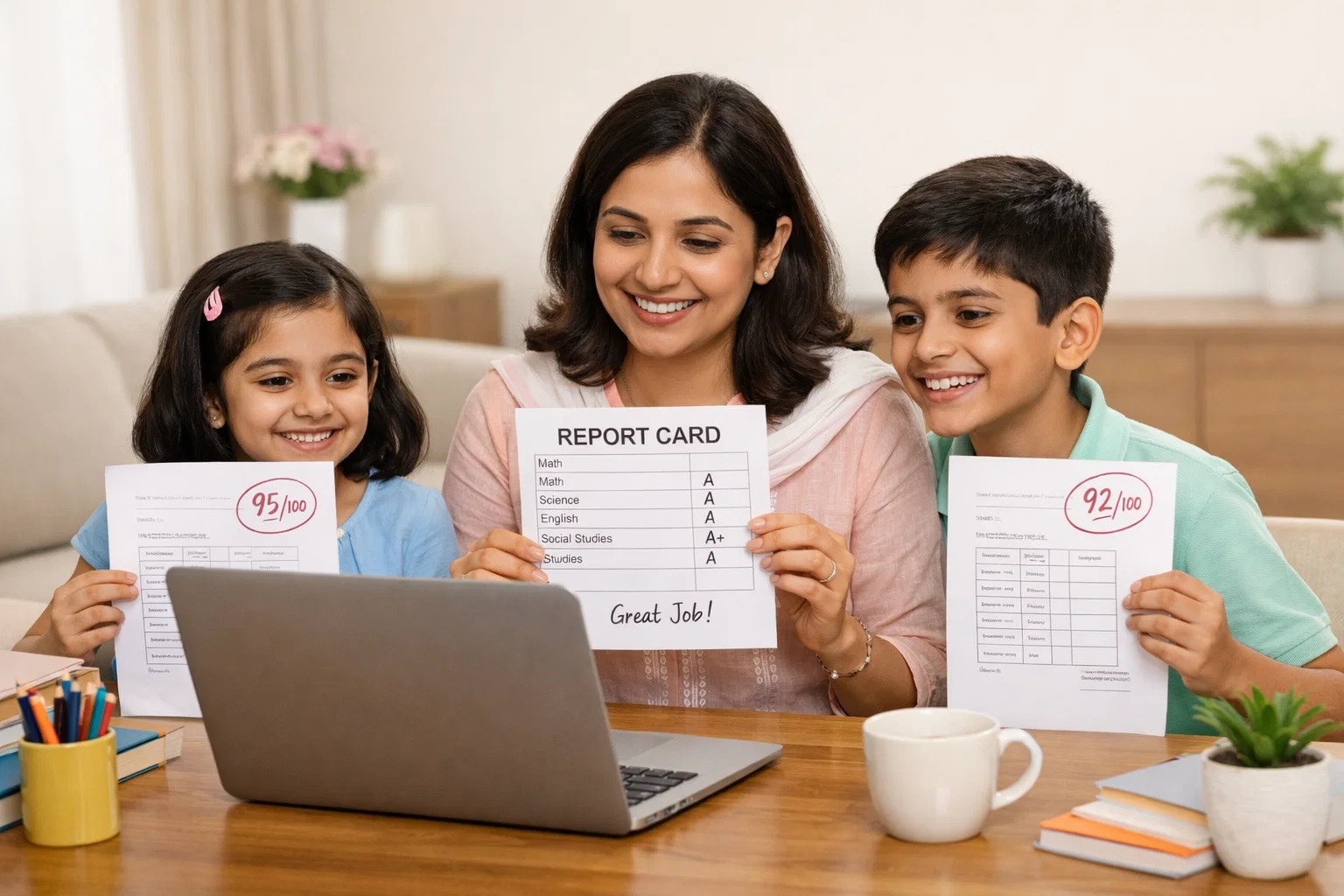

A child’s attitude toward learning has a direct impact on their academic success. Cultivating a positive learning mindset at home helps children approach studies with confidence, curiosity, and resilience. As a parent, creating the right environment and encouraging constructive habits can make a significant difference, whether your child is following the CBSE, ICSE, or International Baccalaureate (IB) curriculum.
Understanding a Positive Learning Mindset
A positive learning mindset means believing that abilities and intelligence can grow with effort and practice. Children with this mindset are more likely to:
-
- Embrace challenges instead of avoiding them
- Persist through difficulties
- Learn from mistakes without feeling discouraged
- Show curiosity and enthusiasm toward new topics
Parents play a crucial role in shaping this mindset. Simple changes in daily routines, encouragement, and supportive interactions can help children build confidence and develop a love for learning.
Setting Up a Supportive Learning Environment
Creating a dedicated, distraction-free space for study at home is the first step. This space should have good lighting, comfortable seating, and all necessary study materials like books, notebooks, and stationery. A consistent study area signals to the child that learning is valued and important.
Maintaining a routine is equally important. Structured schedules that balance study, play, and rest help children manage their time effectively. Parents should encourage breaks during study sessions to prevent fatigue and keep the mind fresh.
Encouraging Effort and Not Just Results
Praising effort rather than just grades nurtures resilience and a growth mindset. For instance, acknowledging the hard work a child puts into solving a difficult math problem is more effective than only celebrating the correct answer. Children learn that effort is valuable and that mistakes are part of the learning process.
Incorporating International and Indian Curriculum Practices
Children studying under CBSE or ICSE benefit from structured lesson plans and regular assessments. Encouraging them to set small goals, review their work, and practice consistently aligns well with these curriculums.
For students following the IB curriculum, fostering inquiry, critical thinking, and reflection is essential. Parents can support IB learners by encouraging questions, exploring subjects beyond textbooks, and helping children connect learning to real-life experiences.
Integrating strategies from different boards at home can give children a broader perspective and help them develop a versatile learning approach.
Building Motivation and Curiosity
Parents can inspire motivation by showing interest in their child’s studies. Discussing topics learned in school, exploring educational videos together, or engaging in small projects can make learning enjoyable. Encouraging curiosity helps children take ownership of their education and develop lifelong learning habits.
Limiting negative comparisons with peers and focusing on personal progress helps maintain a positive outlook. Children should feel proud of their achievements and encouraged to improve steadily rather than compete excessively.
Leading by Example
Children learn by observing. Parents who demonstrate curiosity, problem-solving, and a positive attitude toward challenges naturally influence their children to adopt similar behaviors. Reading books, exploring hobbies, and sharing learning experiences create a home culture that values education.
Conclusion
Creating a positive learning mindset at home requires patience, consistency, and encouragement. By offering a supportive environment, praising effort, integrating curriculum-specific strategies, and fostering curiosity, parents can help children become confident, motivated, and independent learners. Whether your child is following CBSE, ICSE, or IB, these practices form a strong foundation for academic and personal growth.
By Nidhi Mehta – India Tutor Online
Class 1 to 6 All Subjects
Call/Whatsapp: +91 9811521621