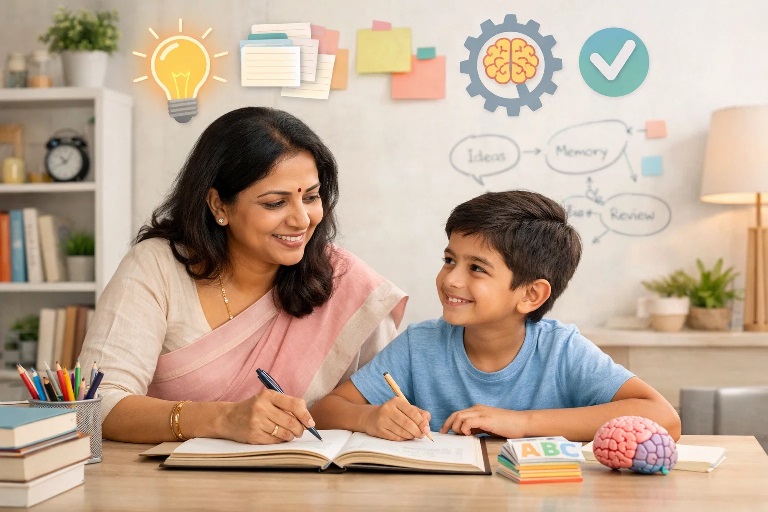

How to Track Your Child’s Academic Improvement

Tracking your child’s academic progress is essential for ensuring they are learning effectively and building a strong foundation for future studies. For students in Class 1 to Class 6, consistent monitoring helps identify strengths, areas for improvement, and encourages a habit of regular learning. As a parent, being actively involved in this process can make a significant difference in your child’s academic journey.

Set Clear Learning Goals

The first step in tracking academic improvement is to establish clear, achievable goals. These goals can be based on school curriculum, subject-specific targets, or skills your child needs to develop. For example, in Mathematics, the goal could be to master multiplication tables, while in English, it might be improving reading comprehension. Clear goals provide a benchmark against which you can measure progress over time.

Maintain a Study and Homework Log

Keeping a simple study log or homework tracker is a practical way to monitor daily learning activities. Record the subjects studied, assignments completed, and time spent on each task. This not only helps you see patterns in your child’s learning but also encourages them to stay organized and take responsibility for their studies.

Regular Assessment and Review

Regular assessments are crucial for understanding your child’s grasp of concepts. You can use school tests, sample papers, or custom quizzes to evaluate performance. After each assessment, review the results together and discuss mistakes in a constructive manner. This helps your child understand where they need improvement and reinforces learning through reflection.

Observe Learning Habits

Academic improvement is not only about test scores. Observe your child’s learning habits, such as their ability to focus, complete tasks on time, and ask questions when in doubt. Positive study habits often indicate long-term improvement, while challenges in concentration or motivation may need to be addressed through guidance and encouragement.

Use Feedback from Teachers and Tutors

Teachers and tutors provide valuable insights into your child’s progress. Regular communication with them can highlight areas of strength and concern that may not be immediately visible at home. Feedback can also help you adjust study routines and focus on subjects that require extra attention.

Encourage Self-Assessment

Teaching your child to self-assess their work fosters independence and responsibility. Encourage them to check assignments, review mistakes, and set personal targets. Self-assessment helps students become more aware of their learning process and motivates them to take initiative in improving their skills.

Celebrate Progress

Finally, acknowledging and celebrating small achievements is vital for motivation. Rewarding effort and improvement, not just high scores, builds confidence and encourages a positive attitude towards learning. This reinforces the habit of continuous improvement and makes studying a more enjoyable experience.

Tracking academic improvement requires patience, consistency, and active involvement. By setting goals, monitoring progress, reviewing assessments, observing learning habits, and encouraging self-assessment, parents can ensure their children in Class 1 to Class 6 develop strong academic foundations and a love for learning.

By staying engaged and supportive, you help your child achieve steady progress and confidence in their studies.

By Nidhi Mehta – India Tutor Online

Class 1 to 6 All Subjects

Call/Whatsapp: +91 9811521621

Common Parenting Mistakes That Affect Academic Progress

Parenting plays a crucial role in a child’s academic success. While every parent wants their child to excel in school, certain unintentional mistakes can affect a student’s learning and confidence. Recognizing and avoiding these mistakes can make a significant difference in your child’s academic progress.

Overemphasis on Grades

One of the most common mistakes is focusing solely on grades rather than understanding. When children are pressured only to score marks, they may develop stress and fear of failure. This approach can discourage curiosity and make learning a task instead of an enjoyable experience. Instead, parents should encourage their children to understand concepts, practice regularly, and develop a genuine interest in learning.

Lack of a Consistent Study Routine

Consistency is key for students in Class 1 to 6. Many parents overlook the importance of a structured daily study routine. Irregular study habits can lead to gaps in learning and difficulty in understanding new topics. Setting a fixed schedule for homework, reading, and practice ensures that children develop discipline and retain knowledge better.

Comparing with Other Children

Comparing a child with peers or siblings is another mistake that can negatively affect academic progress. Every child learns at their own pace, and comparisons can create unnecessary pressure, reduce self-confidence, and lower motivation. Parents should focus on their child’s individual strengths and progress rather than measuring them against others.

Ignoring Learning Difficulties

Some children face challenges in certain subjects or concepts. Ignoring these difficulties or labeling them as laziness can hinder academic growth. Parents should observe their child’s learning patterns, provide additional support, and consider professional help, such as a qualified tutor, if needed. Early intervention can prevent long-term academic struggles.

Overprotecting or Doing Work for the Child

While helping with homework is natural, doing tasks for children can prevent them from learning independently. Overprotecting can also reduce problem-solving skills and confidence. Parents should encourage children to attempt work themselves, guiding them only when necessary, and praising efforts rather than just results.

Lack of Encouragement and Positive Reinforcement

Children need motivation and positive reinforcement to stay engaged in studies. Criticism without encouragement can make students anxious and reluctant to try new things. Recognizing effort, celebrating small achievements, and providing constructive feedback helps build confidence and a positive attitude towards learning.

Not Communicating with Teachers

Effective communication with teachers is often overlooked by parents. Teachers can provide valuable insights into a child’s performance, learning style, and areas that need improvement. Staying connected allows parents to support their child better and address academic challenges promptly.

Conclusion

Parenting greatly influences a child’s academic journey, especially in the crucial primary years. Avoiding these common mistakes—overemphasis on grades, lack of routine, comparisons, ignoring difficulties, overprotecting, not encouraging, and poor communication with teachers—can significantly improve learning outcomes. By being attentive, supportive, and patient, parents can help their children achieve academic success while developing confidence and a love for learning.

By Nidhi Mehta – India Tutor Online

Class 1 to 6 All Subjects

Call/Whatsapp: +91 9811521621

Building Confidence in Children Through Positive Learning

Confidence is an important part of a child’s overall development, especially for students in Class 1 to Class 6. When children feel confident in their abilities, they are more willing to try new things, participate in class, and face challenges without fear. As a parent or teacher, creating a positive learning environment plays a crucial role in building this confidence.

Understanding the Importance of Confidence in Young Learners

Children who lack confidence may hesitate to answer questions, struggle with schoolwork, or avoid participating in classroom activities. Confidence is not something children are born with; it develops through encouragement, practice, and support. Positive learning experiences help children understand that making mistakes is a natural part of learning and that they can improve with effort.

Creating a Positive Learning Environment

A positive learning environment encourages children to explore and ask questions without fear of criticism. Parents and tutors can support confidence by praising effort rather than just results. For example, acknowledging a child’s dedication to completing a difficult assignment can motivate them to keep trying. Providing a calm and supportive space at home or during online tuition classes helps children feel safe to express themselves and participate actively.

Encouraging Small Achievements

Building confidence begins with small successes. Breaking complex tasks into smaller steps allows children to experience accomplishment regularly. For instance, if a child is struggling with mathematics, start with simple problems they can solve independently before moving to more challenging ones. Celebrating these small achievements boosts self-esteem and shows children that they are capable of progress.

Promoting a Growth Mindset

Teaching children to adopt a growth mindset is essential for developing confidence. A growth mindset helps children understand that intelligence and skills can improve with practice and perseverance. Encouraging statements like “You worked hard on this problem and improved” or “Mistakes help us learn” can shift a child’s focus from fear of failure to learning and improvement.

Active Participation and Engagement

Children gain confidence when they actively participate in learning activities. Tutors and parents can involve children in interactive lessons, discussions, and problem-solving tasks. Online tuition classes can be structured to allow students to answer questions, explain concepts in their own words, and solve exercises under guidance. Active engagement builds competence and reduces fear of making mistakes.

Building Confidence Beyond Academics

Confidence is not limited to academic achievements. Encouraging children to express their thoughts, communicate effectively, and participate in group activities also strengthens self-assurance. Simple activities like reading aloud, storytelling, or explaining a concept to someone else can enhance communication skills and overall confidence.

Conclusion

Building confidence in children from Class 1 to Class 6 requires patience, encouragement, and positive learning experiences. By creating a supportive environment, celebrating small achievements, promoting a growth mindset, and encouraging active participation, parents and tutors can help children develop self-assurance that lasts a lifetime. Confident learners are more motivated, independent, and ready to face challenges both inside and outside the classroom.

By Nidhi Mehta – India Tutor Online

Class 1 to 6 – All Subjects

Call/Whatsapp: +91 9811521621

Helping Your Child Prepare for Tests and Exams

Preparing for tests and exams can be a stressful time for both children and parents. With the right guidance and planning, however, it is possible to make the process smoother, more productive, and even enjoyable. As an experienced online tutor for Class 1 to 6 students, I have helped many children improve their study habits, gain confidence, and achieve better results. Here are some practical tips to help your child prepare effectively for tests and exams.

Create a Study Schedule

One of the most important steps in exam preparation is establishing a clear study schedule. For children in Class 1 to 6, it is important to balance study time with breaks to avoid fatigue. Allocate time for each subject based on its difficulty and the child’s comfort level. Short, focused study sessions of 30 to 45 minutes work best for younger children, with short breaks in between to refresh their minds. A consistent routine helps children know what to expect each day and reduces last-minute stress.

Organize Study Materials

Ensure that your child’s study materials are organized before starting exam preparation. This includes textbooks, notebooks, worksheets, and any online resources. Keeping all materials in one place prevents wasted time searching for notes and helps children focus on learning. Encourage your child to use simple tools like folders, colored tabs, or sticky notes to organize important topics for quick revision.

Encourage Active Learning

Active learning is more effective than passive reading. Encourage your child to take notes, highlight key points, and summarize what they have learned in their own words. Using flashcards, diagrams, and charts can make memorization easier and more fun. Practice questions and sample papers help children understand the format of tests and build confidence in answering different types of questions.

Focus on Weak Areas

Every child has subjects or topics they find more challenging. Identify these areas early and allocate extra time to practice and understand them. Gentle guidance and consistent practice can help children gradually improve their weak areas without feeling overwhelmed. Celebrating small improvements also boosts motivation and self-confidence.

Promote Healthy Habits

Good physical and mental health plays a key role in exam performance. Ensure your child gets adequate sleep, eats nutritious meals, and stays hydrated. Encourage light physical activity or short walks to relieve stress. Avoid last-minute cramming and maintain a calm environment at home so children feel supported and relaxed.

Review and Revise Regularly

Revision is essential for retaining information. Encourage your child to review lessons daily and revisit previously learned topics. Summarizing key points and practicing sample questions regularly helps strengthen memory and recall. As exams approach, conducting mock tests or timed practice sessions can prepare children for the real test environment.

Stay Positive and Supportive

A positive attitude from parents can significantly influence a child’s confidence. Offer encouragement, praise effort rather than just results, and provide reassurance during challenging moments. Helping your child stay calm and focused builds resilience and promotes a healthy approach to exams.

Preparing for tests and exams does not have to be stressful. With structured study plans, organized materials, active learning, and supportive guidance, children can develop strong study habits and perform confidently in their assessments.

By Nidhi Mehta – India Tutor Online

Class 1 to 6 – All Subjects

Call/Whatsapp: +91 9811521621

Managing Screen Time During Online Classes

Online classes have become an important part of education for primary school students. While online learning offers flexibility and access to quality teaching, many parents worry about the amount of screen time their child is exposed to. Managing screen time correctly is essential to protect a child’s health, focus, and overall development, especially for students from Class 1 to Class 6.

This article shares simple and practical ways to manage screen time during online classes without affecting learning quality.

Why Screen Time Management Is Important for Young Children

Children in primary classes are still developing physically and mentally. Excessive screen time can lead to eye strain, poor posture, reduced concentration, and tiredness. When screen time is planned and balanced properly, online classes can remain effective without harming a child’s well-being.

The goal is not to eliminate screen use but to use it wisely and purposefully.

Set a Fixed Routine for Online Classes

A clear daily routine helps children stay disciplined and focused. Online classes should be scheduled at fixed times, preferably when the child is fresh and attentive. Avoid keeping screens on outside of class time unless necessary for homework or revision.

When children know exactly when screen time starts and ends, they are less likely to overuse devices.

Encourage Breaks Between Online Sessions

Short breaks are extremely important for young learners. After every online class, children should step away from the screen for a few minutes. During breaks, encourage activities like stretching, walking, or simply resting their eyes.

These breaks help reduce eye strain and improve concentration during the next learning session.

Create a Proper Study Setup

A good study environment makes a big difference. Ensure the child sits at a proper desk or table instead of using mobile phones or tablets in bed. The screen should be at eye level, and the room should be well-lit.

This not only reduces physical strain but also helps the child take online classes more seriously.

Balance Screen Time with Offline Learning

Online classes should always be supported with offline activities. Encourage children to practice writing in notebooks, read physical books, and revise lessons away from screens. This strengthens understanding and reduces total screen exposure.

Offline learning also improves memory and helps children stay engaged without depending fully on devices.

Monitor Non-Academic Screen Usage

Parents should keep an eye on how much time children spend on screens outside online classes. Games, videos, and mobile apps can quickly increase daily screen time. Setting clear rules for entertainment screen use helps maintain balance.

Children should understand that screens are mainly for learning during class hours.

Communicate with the Tutor When Needed

If a child feels tired or loses focus during online classes, parents should openly discuss it with the tutor. A good tutor can adjust teaching methods, pacing, or class timing to suit the child’s needs.

Healthy communication ensures that learning remains effective without unnecessary screen pressure.

Conclusion

Managing screen time during online classes is about balance, not restriction. With proper routines, regular breaks, offline practice, and parental involvement, online learning can be safe and highly effective for Class 1 to Class 6 students.

When screen time is used thoughtfully, children can benefit from online education while maintaining their physical and mental well-being.

By Nidhi Mehta
India Tutor Online Class 1 to 6 All Subjects
Call/Whatsapp: +91 9811521621

How to Communicate Effectively with Teachers and Tutors

Good communication between parents and teachers plays a very important role in a child’s academic success, especially for students from Class 1 to Class 6. At this stage, children are still developing learning habits, confidence, and understanding of subjects. When parents and teachers communicate well, it creates a strong support system for the child.

This article explains simple and effective ways parents can communicate better with teachers and tutors to help their child learn and grow.

Understand the Role of the Teacher or Tutor

Teachers and tutors work closely with children and understand their learning strengths and weaknesses. Parents should see them as partners rather than problem-solvers only during exams or difficulties. Regular and respectful communication helps build trust and ensures that everyone is working towards the same goal: the child’s progress.

Communicate Regularly, Not Only When There Is a Problem

Many parents contact teachers only when marks fall or issues arise. It is better to communicate regularly, even when things are going well. Short check-ins help parents understand how the child is performing, what topics are being covered, and whether any additional support is needed.

Regular communication prevents small issues from becoming bigger problems later.

Be Clear and Specific While Communicating

When speaking to a teacher or tutor, try to be clear about your concerns or questions. Instead of saying “My child is weak,” explain where the child is struggling, such as reading, writing, maths basics, or homework completion. Clear communication helps the teacher or tutor give better guidance and solutions.

Listen Actively to Feedback

Teachers and tutors may share feedback that parents do not always expect. It is important to listen calmly and openly. Feedback is not criticism; it is meant to help the child improve. Ask questions if something is unclear and request suggestions on how you can support learning at home.

Share Important Information About Your Child

Parents know their children best. Sharing useful information such as learning habits, attention span, fears, or recent changes at home can help teachers understand the child better. This allows them to adjust their teaching approach and support the child more effectively.

Maintain a Positive and Respectful Tone

Good communication is always respectful. Even if there is a concern, discussing it politely leads to better outcomes. A positive tone encourages cooperation and helps build a healthy parent-teacher relationship, which directly benefits the child.

Follow Up on Action Points

If a teacher or tutor suggests certain steps, such as extra practice, reading habits, or revision routines, make sure to follow up. Consistency between home and tuition classes helps children feel supported and motivated.

Encourage Your Child to Communicate Too

Children should also be encouraged to ask questions and express doubts to their teachers or tutors. When children feel comfortable communicating, they become more confident learners. Parents can support this by reassuring them that asking questions is a good habit.

Use the Right Communication Channels

Stick to the communication method suggested by the teacher or tutor, whether it is WhatsApp, calls, emails, or scheduled meetings. This keeps communication organized and effective.

Final Thoughts

Effective communication between parents and teachers or tutors creates a positive learning environment for children from Class 1 to Class 6. When everyone works together with clarity, respect, and consistency, children feel supported and perform better academically.

By Nidhi Mehta – India Tutor Online

Class 1 to 6 – All Subjects

Call/Whatsapp: +91 9811521621

Understanding Your Child’s Learning Style

Every child learns differently, especially in the early school years from Class 1 to Class 6. Some children understand lessons quickly by listening, while others learn better by seeing examples or doing activities. Understanding your child’s learning style helps parents and teachers support learning in a way that feels natural and effective for the child. When lessons match a child’s learning style, studying becomes easier, more enjoyable, and less stressful.

Common Learning Styles in Primary School Children

Most children show a mix of learning styles, but one style is usually stronger than the others. Recognizing this can make a big difference in how well your child understands school subjects.

Visual Learners

Visual learners understand better when they see information. They prefer pictures, diagrams, charts, and written notes. These children often remember what they read or see on the board and may enjoy drawing or using colours while studying. Visual learning works well for subjects like Mathematics, EVS, and Science when concepts are shown through examples and visuals.

Auditory Learners

Auditory learners learn best by listening. They understand lessons through explanations, discussions, and verbal instructions. These children may remember what the teacher says more clearly than what is written. Reading aloud, explaining answers verbally, and interactive discussions help auditory learners perform better in school.

Kinesthetic Learners

Kinesthetic learners learn by doing. They prefer hands-on activities, movement, and practical examples. Sitting still for long periods can be challenging for them. Activities like using objects for counting, acting out lessons, or short study breaks help these learners stay focused and engaged.

How to Identify Your Child’s Learning Style

Parents can observe simple signs at home to understand their child’s learning style. Notice how your child prefers to study. Do they like reading books or watching videos? Do they ask to hear explanations again? Do they learn better while writing, drawing, or moving around? Paying attention to these habits can give clear clues.

It is also important to remember that learning styles can change as children grow. A child may use more than one learning style depending on the subject or situation.

Supporting Your Child’s Learning Style at Home

Once you understand your child’s learning style, you can make small changes at home to support learning. For visual learners, use charts, flashcards, and written schedules. For auditory learners, discuss lessons, ask them to explain topics aloud, and use storytelling. For kinesthetic learners, include activities, real-life examples, and short breaks during study time.

The goal is not to label the child but to create a comfortable learning environment that helps them understand concepts better.

Role of Personalized Teaching in Learning Styles

In primary classes, personalized teaching plays an important role in supporting different learning styles. One-to-one attention allows lessons to be adjusted according to how a child learns best. This builds confidence, improves understanding, and encourages active participation.

Helping Your Child Learn with Confidence

Understanding your child’s learning style helps reduce frustration and builds a positive attitude toward studies. When children feel supported, they develop better study habits and stronger academic foundations, which are essential for long-term success.

By Nidhi Mehta – India Tutor Online

Class 1 to 6 – All Subjects
Call/Whatsapp: +91 9811521621

How to Motivate Children Who Are Weak in Studies

Many parents worry when their child struggles with studies, especially in the early school years. For students from Class 1 to Class 6, academic weakness does not mean lack of intelligence. Most of the time, children need the right guidance, patience, and encouragement to regain confidence and improve their performance.

Understanding how to motivate such children can make a big difference in their learning journey.

Understand the Root Cause First

Before trying to push a child to study more, it is important to understand why the child is struggling. Some children find certain subjects difficult, while others may feel scared of making mistakes. In many cases, weak fundamentals, fear of failure, or lack of personal attention can reduce a child’s interest in studies.

Once parents and teachers identify the real reason, it becomes easier to support the child in the right way.

Focus on Effort, Not Just Marks

Children who are weak in studies often feel discouraged because of low marks. Constant comparison with other students can further lower their confidence. Instead of focusing only on results, parents should appreciate the child’s effort.

Even small improvements deserve praise. When children feel appreciated, they become more willing to try and learn.

Break Learning into Small Steps

Large lessons and long homework sessions can overwhelm young learners. For primary school students, learning should be broken into small and manageable steps. Simple explanations, short study sessions, and regular revision help children understand concepts better.

When children feel that learning is achievable, their motivation naturally increases.

Create a Positive Study Environment

A calm and comfortable study environment plays an important role in motivating children. A quiet space with proper lighting, limited distractions, and a fixed study routine helps children focus better.

Parents should avoid shouting or showing frustration during study time. A peaceful environment makes children feel safe and more open to learning.

Encourage Questions and Curiosity

Many children hesitate to ask questions because they fear being judged. Encouraging children to ask doubts freely helps them overcome this fear. When children understand that making mistakes is a part of learning, they become more confident.

Curiosity-driven learning builds interest and makes studies less stressful.

Provide Personal Attention and Guidance

Children who are weak in studies often need extra personal attention. One-to-one guidance helps identify problem areas and allows lessons to be paced according to the child’s understanding.

Personalized support helps children build strong basics, especially in subjects like Maths and English, which are essential for higher classes.

Be Patient and Consistent

Improvement does not happen overnight. Parents need to be patient and consistent with their efforts. Regular support, positive reinforcement, and realistic expectations help children grow academically and emotionally.

Motivation grows when children feel supported, not pressured.

Conclusion

Motivating a child who is weak in studies requires understanding, patience, and the right learning approach. With encouragement, personal attention, and a supportive environment, children from Class 1 to Class 6 can overcome academic challenges and develop confidence in their abilities.

Early guidance can help build a strong foundation for future learning success.

By Nidhi Mehta
India Tutor Online Class 1 to 6 All Subjects
Call/Whatsapp: +91 9811521621

Creating a Daily Study Routine for Primary School Children

Helping children develop a daily study routine is one of the most effective ways to support their academic growth during the primary school years. For students from Class 1 to Class 6, a well-planned routine brings structure, reduces stress, and builds strong learning habits that last beyond school life.

Why a Daily Study Routine Is Important

Primary school children learn best when their day has a clear structure. A daily study routine helps children understand when it is time to study, play, and rest. It reduces last-minute stress before exams and encourages discipline from an early age. Most importantly, it allows children to study consistently instead of cramming at the last moment.

Understanding Your Child’s Natural Rhythm

Every child is different. Some children are more attentive in the morning, while others concentrate better in the evening. Observe when your child feels most energetic and alert. Schedule study time during these hours so learning feels easier and more effective. Avoid forcing long study sessions when the child is tired or distracted.

Setting a Fixed Study Time Every Day

Choose a fixed time slot for daily study and follow it regularly. This could be after school, in the evening, or early morning depending on your child’s routine. A fixed schedule helps children mentally prepare for study time and builds consistency. Even on weekends, keeping a light study routine helps maintain discipline.

Keeping Study Sessions Short and Focused

For primary students, long study hours are not necessary. Short and focused sessions work better. For younger children in Class 1 and Class 2, 20 to 30 minutes at a time is sufficient. For Classes 3 to 6, 40 to 60 minutes with small breaks works well. Breaks help children stay fresh and attentive.

Creating a Dedicated Study Space

A quiet and comfortable study area helps children focus better. Choose a place with good lighting, minimal noise, and limited distractions. Keep books, notebooks, and stationery within reach. Avoid study time on the bed or near television and mobile phones, as these reduce concentration.

Balancing Subjects Wisely

Do not overload a single day with too many subjects. Mix difficult and easy subjects to keep children motivated. For example, pair Maths with English or a lighter subject. Regular revision of previously taught topics is equally important to strengthen understanding.

Encouraging Independence and Responsibility

Gradually encourage children to take responsibility for their studies. Help them understand what needs to be completed each day, but allow them to try on their own. This builds confidence and self-discipline, which are essential skills for long-term academic success.

Including Time for Revision and Practice

Revision should be a part of the daily routine. Simple practices like revising lessons, solving small exercises, or reading aloud improve retention. Regular practice helps children feel confident and prepared for tests.

Staying Positive and Supportive

Appreciate effort, not just results. Encourage your child when they try their best, even if mistakes occur. A positive learning environment motivates children to stay consistent with their study routine.

A well-planned daily study routine makes learning easier, enjoyable, and more effective for primary school children. With patience, consistency, and support, parents can help their children build strong academic habits that lead to long-term success.

By Nidhi Mehta – India Tutor Online
Class 1 to 6 All Subjects
Call/Whatsapp: +91 9811521621

How Parents Can Support Learning at Home for Class 1 to 6 Students

Supporting your child’s learning at home is essential for their academic success, especially in the early years from Class 1 to Class 6. As children progress through primary school, they face new concepts, subjects, and challenges that require guidance, motivation, and consistent support. Parents play a vital role in creating a learning environment that encourages understanding, curiosity, and confidence. Here are practical ways parents can help their children learn effectively at home.

Create a Positive Learning Environment

A calm and organized space for studying is the first step to successful learning. Ensure that your child has a quiet area with minimal distractions, good lighting, and necessary study materials such as books, notebooks, and stationery. A dedicated study space signals to the child that learning is important and helps them focus better.

Establish a Regular Study Routine

Consistency is key for primary school students. Set up a daily schedule that balances study time, breaks, and recreational activities. Short, focused sessions are more effective than long, tiring ones. By establishing a routine, children develop discipline and learn to manage their time effectively, which improves overall learning outcomes.

Encourage Active Participation

Learning is most effective when children actively engage with the material. Encourage your child to ask questions, explain concepts in their own words, and attempt exercises independently. Active participation not only improves understanding but also builds confidence in handling schoolwork and exams.

Support Homework and Assignments

While it is important to encourage independence, parents should provide guidance with homework and assignments. Discuss the tasks with your child, clarify doubts, and ensure they understand the concepts behind the questions rather than just completing the work. This approach strengthens learning and helps them retain knowledge for the long term.

Incorporate Fun Learning Methods

Making learning enjoyable can significantly improve engagement. Use educational games, puzzles, flashcards, and interactive activities related to subjects like mathematics, science, and English. Reading stories, watching educational videos, and conducting simple experiments at home can also make learning more interesting and relatable.

Communicate with Teachers and Tutors

Regular communication with your child’s teachers or online tutors is essential to track progress and address any challenges. Discuss areas where your child may need extra attention and collaborate on strategies to support their learning. This ensures a consistent approach between school and home.

Encourage Reading and Writing

Developing strong reading and writing skills early on lays the foundation for academic success. Encourage your child to read books, magazines, and articles suited to their age. Practice writing short essays, stories, and summaries to enhance their comprehension, vocabulary, and grammar skills.

Provide Emotional Support and Motivation

Children respond positively to encouragement and praise. Celebrate their achievements, however small, and provide gentle guidance when they struggle. Building a positive attitude toward learning helps children develop confidence, resilience, and a lifelong love for education.

Supporting learning at home is not about doing the work for your child but creating an environment that fosters curiosity, independence, and understanding. By following these strategies, parents can play an active role in their child’s academic growth and help them succeed in school with confidence.

By Nidhi Mehta – India Tutor Online

Class 1 to 6 All Subjects

Call/Whatsapp: +91 9811521621

error: Content is protected !!