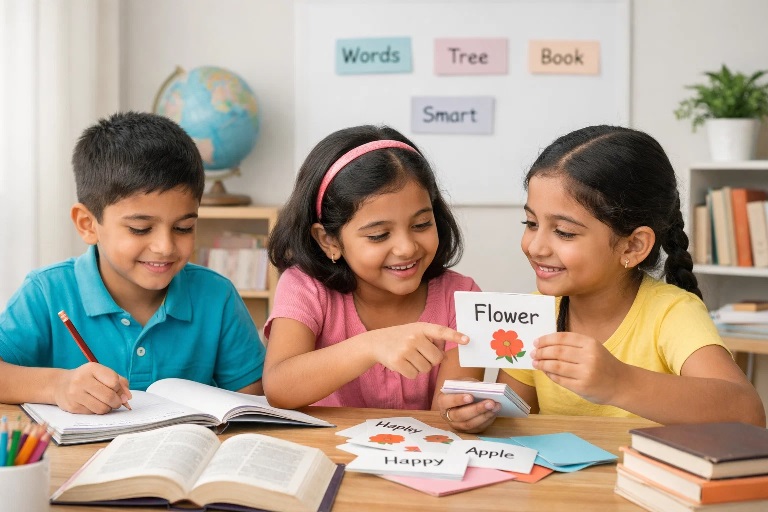

Learning Discipline and Focus in Daily Studies

Developing discipline and focus is one of the most important skills for students from Class 1 to Class 6. While academic knowledge is essential, the ability to concentrate and maintain a consistent study routine can make learning easier, more effective, and enjoyable. As a parent or student, understanding how to build these habits early can set the foundation for long-term academic success.

Why Discipline and Focus Are Important

Discipline in studies means following a regular routine and completing tasks on time. Focus means paying full attention to the subject while studying without getting distracted. Together, they help students:

  • Learn faster and retain information better

  • Complete homework and assignments efficiently

  • Reduce stress and avoid last-minute exam pressure

  • Develop good habits that last a lifetime

When children practice discipline and focus daily, learning becomes less of a chore and more of a structured, enjoyable activity.

Tips to Build Discipline in Daily Studies

  1. Create a Daily Study Schedule
    Set a fixed time for studying each day. Even 30 to 60 minutes of focused study is effective if done consistently. Ensure the study area is quiet, well-lit, and free from distractions.

  2. Set Small, Achievable Goals
    Break study sessions into small tasks, like completing a chapter in mathematics or reading a story in English. Achieving these goals gives students a sense of accomplishment and encourages them to stay disciplined.

  3. Take Short Breaks
    Children often lose focus if they study continuously for long periods. Short breaks of 5–10 minutes after every 25–30 minutes of study can help maintain concentration.

  4. Use a Study Planner
    A simple notebook or planner to list daily tasks and track progress can motivate students to stay disciplined. Checking off completed tasks provides a visual reward and reinforces focus.

How to Improve Focus During Studies

  1. Minimize Distractions
    Turn off electronic gadgets, notifications, and other interruptions during study time. A calm and quiet environment helps children concentrate better.

  2. Practice Mindfulness
    Simple exercises like deep breathing or a few minutes of meditation can calm the mind and improve focus before starting study sessions.

  3. Active Learning Techniques
    Encourage students to ask questions, summarize lessons in their own words, or teach what they learned to someone else. This engages the mind actively and improves attention.

  4. Reward Consistency
    Recognizing and appreciating disciplined study efforts motivates children to stay focused. Small rewards or verbal encouragement can go a long way.

Conclusion

Building discipline and focus in daily studies is a skill that can be developed over time with practice, patience, and guidance. When students from Class 1 to Class 6 adopt consistent study routines, set achievable goals, and maintain concentration during learning, they not only perform better academically but also develop habits that help in life beyond school.

By incorporating these strategies, parents and students can create a positive and productive learning environment that encourages curiosity, confidence, and long-term success.

By Nidhi Mehta – India Tutor Online

Class 1 to 6 All Subjects

Call/Whatsapp: +91 9811521621

Improving English Vocabulary for Primary Students

Building a strong vocabulary is an essential part of learning English, especially for children in Class 1 to Class 6. A rich vocabulary not only helps students read and write better but also improves their speaking and comprehension skills. With consistent practice and the right techniques, parents and teachers can help children expand their English word bank effectively.

Why Vocabulary Matters for Primary Students

Vocabulary forms the foundation of all language skills. When children know more words, they can understand their textbooks more easily, express themselves clearly, and perform better in exams. A strong vocabulary also boosts confidence in reading, writing, and speaking English. Developing vocabulary at an early age creates a solid base for future learning in higher classes.

Techniques to Improve Vocabulary

1. Reading Regularly

Encourage children to read age-appropriate books, storybooks, and short articles. Reading introduces new words in context, helping children understand their meanings naturally. Parents can discuss the stories with their child, asking questions about the plot, characters, and interesting words.

2. Word Lists and Flashcards

Creating simple word lists or flashcards with new words is an effective method. Include the word, its meaning, and an example sentence. Daily practice of 5 to 10 new words helps children remember them better over time. Flashcards can also be made colorful and interactive to keep young learners engaged.

3. Use of Vocabulary in Daily Life

Encourage children to use new words in their daily conversations, writing short stories, or answering questions at home. Using words in real-life situations helps reinforce learning and improves retention.

4. Learning Through Games

Games like word puzzles, crossword puzzles, and word matching can make vocabulary learning fun. Educational apps and online resources also provide interactive ways to introduce new words. When children enjoy the process, they are more likely to remember what they learn.

5. Contextual Understanding

Teach children to understand the meaning of new words from the context in which they appear. Instead of memorizing the dictionary meaning, children can look at how the word is used in sentences, which enhances comprehension and usage.

6. Regular Review and Practice

Revisiting previously learned words ensures that children retain them in their long-term memory. Parents can ask children to write sentences using old words or have small quizzes to make the review process engaging.

Creating a Positive Learning Environment

It is important to be patient and encouraging. Praise children for using new words correctly and gently correct mistakes. A positive environment motivates them to try new words without fear of errors.

Conclusion

Improving English vocabulary for primary students is a gradual but rewarding process. By combining reading, practical usage, games, and consistent practice, children can expand their vocabulary effectively. Strong vocabulary skills will not only help them excel in English but also enhance their overall academic performance and communication abilities.

By Nidhi Mehta – India Tutor Online

Class 1 to 6 All Subjects

Call/Whatsapp: +91 9811521621
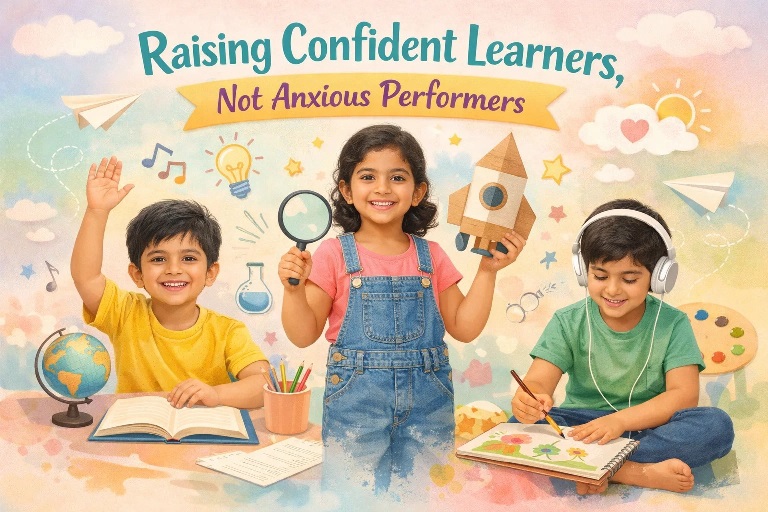
How to Prepare for School Tests Without Stress

School tests can often feel overwhelming for young students, but with the right approach, children can prepare effectively without feeling stressed. The key is to build a clear routine, understand concepts, and practice smartly rather than cramming at the last minute.

Start Early and Make a Plan

One of the most important steps in stress-free preparation is starting early. Begin revising topics well before the test date, even if it is just 10-15 minutes every day. Create a simple plan or timetable that covers all subjects, dividing topics into manageable portions. This helps children stay organized and reduces the pressure of last-minute learning.

Understand, Don’t Memorize

For students from Class 1 to Class 6, it is essential to focus on understanding concepts rather than memorizing answers. When children grasp the underlying ideas in subjects like Mathematics, Science, or English, they are able to solve questions confidently during tests. Encourage your child to ask questions and clarify doubts as soon as they arise.

Break Study Sessions into Small Chunks

Long study sessions can cause fatigue and stress, especially for younger children. Divide study time into short, focused sessions of 25-30 minutes with short breaks in between. This technique, often called the Pomodoro technique, helps children stay attentive and retain information better.

Practice Regularly

Regular practice is key to feeling confident in tests. For subjects like Mathematics, solving different types of problems daily helps children become comfortable with question patterns. For English and other languages, reading, writing, and practicing grammar exercises consistently improves performance. Repetition builds confidence, making test day less stressful.

Use Simple Revision Techniques

Revision should be simple and engaging. Children can use flashcards, mind maps, or short notes to quickly recall important concepts. Highlighting keywords, summarizing lessons in their own words, or teaching concepts to a parent or sibling can also reinforce learning.

Create a Calm Learning Environment

A peaceful study space without distractions is essential for stress-free preparation. Ensure that your child has a quiet area with proper lighting, all necessary books, stationery, and a comfortable chair. Encourage regular breaks, a healthy diet, and enough sleep to keep energy levels high.

Encourage Positivity and Confidence

Tests are not only about knowledge but also about confidence. Encourage your child to believe in their abilities. Avoid pressuring them with comparisons or negative remarks. Celebrate small achievements during revision and maintain a positive attitude, which helps reduce anxiety.

Practice Mock Tests

Giving children small mock tests at home can simulate the actual test experience. This helps them get familiar with time management, question patterns, and reduces fear of the unknown. Always review the answers together and clarify mistakes gently.

By following these simple steps, children from Class 1 to Class 6 can prepare for school tests in an organized, calm, and confident way. Proper planning, regular practice, and a positive attitude make learning enjoyable and stress-free.

By Nidhi Mehta – India Tutor Online

Class 1 to 6 All Subjects

Call/Whatsapp: +91 9811521621

Building Good Study Habits from an Early Age

Building good study habits from an early age plays a crucial role in a child’s academic success. For students from Class 1 to Class 6, this is the stage where learning patterns, discipline, and confidence begin to take shape. When children develop healthy study habits early, they find it easier to understand concepts, manage time, and perform well as academic demands increase.

Why Early Study Habits Matter

Primary school years are the foundation of a child’s learning journey. At this stage, children are curious, receptive, and open to guidance. Good study habits help them learn how to focus, follow routines, and approach studies with a positive mindset. Instead of studying only before exams, children who develop regular habits learn consistently and feel less pressure during assessments.

Strong study habits also build self-discipline. Children learn responsibility and independence, which prepares them not just for higher classes but also for life beyond school.

Creating a Simple and Consistent Routine

A fixed study routine helps children know when it is time to study and when it is time to relax. Parents should create a daily schedule that includes schoolwork, revision, playtime, and rest. For young students, short and focused study sessions work better than long hours.

Studying at the same time each day helps children build discipline naturally. A quiet and comfortable study space, free from distractions, further improves concentration and learning efficiency.

Encouraging Understanding Over Memorization

One of the most important study habits is focusing on understanding concepts instead of memorizing answers. Children should be encouraged to ask questions and clear doubts as soon as they arise. When students understand the “why” behind a concept, they remember it better and can apply it confidently.

Parents and teachers should explain topics in simple language and relate them to real-life examples. This makes learning more meaningful and enjoyable for young learners.

Developing Reading and Writing Habits

Regular reading improves vocabulary, comprehension, and overall language skills. Even simple storybooks or age-appropriate reading material can make a big difference. Writing practice, such as short paragraphs or answers in the child’s own words, helps strengthen understanding and expression.

These habits are especially important for English language development in primary classes.

Teaching Time Management and Responsibility

Children should be guided to complete homework on time and revise lessons regularly. Simple checklists or planners can help them learn how to organize tasks. This builds responsibility and reduces last-minute stress.

Parents should encourage effort rather than just results. Appreciation and positive feedback motivate children to stay consistent with their studies.

Role of Online Tuition in Building Study Habits

Personalized online tuition can play a strong role in shaping good study habits. One-to-one guidance helps identify learning gaps early and reinforces discipline through regular practice. With the right support, children gain confidence and develop a structured approach to learning.

Building good study habits from an early age sets children on a path of lifelong learning. With patience, consistency, and the right guidance, students from Class 1 to Class 6 can develop habits that support both academic success and personal growth.

By Nidhi Mehta – India Tutor Online Class 1 to 6 All Subjects – Call/WhatsApp: +91 9811521621

How to Ask Questions and Clear Doubts Confidently

Asking questions is an important part of learning, especially for students from Class 1 to Class 6. Many children understand lessons better when they ask questions, but some hesitate because they feel shy, confused, or afraid of making mistakes. Learning how to ask questions confidently helps students clear doubts early and become stronger learners.

Why Asking Questions Is Important

When students ask questions, they understand topics more clearly. It helps them avoid confusion and builds a strong foundation in subjects like Maths, English, Science, and EVS. Asking questions also improves thinking skills and makes learning more interesting. Students who clear their doubts regularly feel more confident during tests and exams.

Common Reasons Children Hesitate to Ask Questions

Many young students feel nervous while speaking in class. Some worry that their question may sound silly, while others fear that classmates might laugh. Some children feel they should already know the answer and feel embarrassed to ask. These feelings are normal, but they should not stop a child from learning.

Simple Ways to Ask Questions Confidently

One easy way to ask questions is to listen carefully during the lesson. When something is not clear, students should raise their hand or politely speak up. It is helpful to start with simple words such as “I did not understand this part” or “Can you please explain this again.” There is no need to use difficult language. Clear and simple questions work best.

Clearing Doubts Without Fear

Students should remember that asking questions shows interest, not weakness. Teachers appreciate students who want to learn better. Writing down doubts while studying at home can also help. Later, these questions can be asked during class or online tuition sessions. Asking doubts early prevents bigger problems later.

Role of Parents and Teachers

Parents and teachers play an important role in building a child’s confidence. Parents should encourage children to speak openly about what they do not understand. Teachers should create a friendly environment where students feel safe to ask questions. When children feel supported, they become more confident learners.

How Online Tuition Helps in Asking Questions

Online tuition classes, especially one-to-one sessions, give students more comfort while asking questions. Children feel less pressure and can ask doubts freely. Personal attention helps teachers understand where the student is confused and explain concepts patiently.

Building Confidence Over Time

Confidence does not come in one day. It grows slowly with practice and encouragement. Students should remember that every question helps them learn something new. Asking questions regularly makes learning easier and more enjoyable.

By Nidhi Mehta – India Tutor Online

Class 1 to 6 All Subjects

Call/Whatsapp: +91 9811521621

Fun Ways to Learn Maths at Home

Learning maths does not have to be stressful or boring, especially for young children. When maths is taught in a fun and practical way, students understand concepts faster and feel more confident. For students from Class 1 to Class 6, learning maths at home can be both enjoyable and effective if the right methods are used. Parents can play an important role by turning everyday activities into learning opportunities.

Use Everyday Objects for Maths Practice

One of the simplest ways to teach maths at home is by using everyday household items. Counting fruits, vegetables, toys, or coins helps younger children understand numbers and basic operations. For older students, parents can use these items to explain addition, subtraction, multiplication, and division. This hands-on approach makes maths more real and easier to understand.

Turn Maths into Games

Games are a powerful way to make learning enjoyable. Simple board games, dice games, and card games can help children improve counting, number recognition, and mental maths skills. For example, rolling dice and adding numbers or playing simple calculation games can strengthen basic maths concepts without pressure. When learning feels like play, children are more willing to participate.

Involve Maths in Daily Activities

Daily routines offer many chances to practice maths. Cooking can be used to teach measurements and fractions. Shopping can help children understand money, addition, subtraction, and comparison of prices. Time management activities such as reading the clock or planning a daily schedule can improve understanding of time and numbers. These activities help children see how maths is used in real life.

Encourage Mental Maths Practice

Mental maths helps students develop speed and accuracy. Parents can ask quick questions during free time, such as simple additions, subtractions, or multiplication problems. Short and regular mental maths practice builds confidence and improves problem-solving skills, especially for students in higher primary classes.

Use Visual Learning Methods

Many children learn better through visuals. Using number charts, flashcards, and diagrams can make complex concepts easier to understand. Drawing shapes, patterns, and number lines helps children grasp ideas like geometry, sequences, and place value. Visual learning supports long-term understanding and memory.

Break Learning into Small Steps

Maths can feel overwhelming if too much is taught at once. Breaking lessons into small, manageable steps helps children learn comfortably. Each concept should be clearly understood before moving to the next. Regular revision also plays an important role in strengthening maths skills.

Create a Positive Learning Environment

A calm and encouraging learning environment helps children perform better. Mistakes should be treated as learning opportunities rather than failures. Praising effort and progress builds confidence and reduces fear of maths. When children feel supported, they are more open to learning.

Conclusion

Learning maths at home can be fun, engaging, and effective when taught using practical and creative methods. By using everyday activities, games, visuals, and positive encouragement, parents can help their children build strong maths foundations. Early support and the right guidance can make a lasting difference in a child’s academic journey.

By Nidhi Mehta – India Tutor Online
Class 1 to 6 All Subjects
Call/Whatsapp: +91 9811521621

How to Improve Reading and Writing Skills

Strong reading and writing skills are the foundation of a child’s academic success. From understanding textbooks to expressing ideas clearly, these skills play a crucial role in every subject. For students from Class 1 to Class 6, developing good reading and writing habits early can make learning easier and more enjoyable in the years ahead.

This article explains simple and effective ways to improve reading and writing skills in young learners.

Why Reading and Writing Skills Are Important in Primary Classes

Reading helps children understand language, improve vocabulary, and develop thinking skills. Writing allows them to express thoughts, answer questions clearly, and perform better in exams. When students struggle with reading or writing, they often find other subjects difficult as well, including Maths and Science.

Building these skills early helps children gain confidence and become independent learners.

Encourage Daily Reading Habits

One of the best ways to improve reading skills is to make reading a daily habit. Children should read age-appropriate books, storybooks, short paragraphs, or even school lessons aloud for a few minutes every day.

Parents can support this by:

  • Choosing simple and interesting books

  • Asking the child to read slowly and clearly

  • Discussing the story or lesson after reading

Regular reading improves pronunciation, understanding, and fluency over time.

Focus on Understanding, Not Speed

Many children try to read fast without understanding what they read. It is important to encourage slow and meaningful reading. After reading a paragraph, ask simple questions like what happened, who was involved, or what the main idea was.

This helps children improve comprehension, which is essential for both reading and writing.

Improve Writing Through Regular Practice

Writing skills develop with consistent practice. Children should be encouraged to write small paragraphs, answers, or short stories based on their class level.

Simple ways to improve writing include:

  • Writing a few lines daily on any topic

  • Practicing sentence formation

  • Learning correct spelling and punctuation

  • Rewriting answers neatly

Good handwriting and correct sentence structure improve clarity and confidence.

Build Vocabulary Step by Step

A strong vocabulary makes reading easier and writing more effective. Children should learn a few new words every week and try to use them in sentences.

Reading books, listening to stories, and speaking in English regularly helps children naturally build vocabulary.

Create a Supportive Learning Environment

Children learn better when they feel encouraged. Mistakes should be corrected gently, and progress should be appreciated. Regular guidance from parents and teachers helps children stay motivated and interested in learning.

Personal attention, especially through one-to-one support, makes a big difference in improving reading and writing skills.

Role of Online Tuition in Improving Language Skills

Online tuition classes provide structured guidance and individual attention, which is very helpful for primary students. A teacher can focus on reading practice, writing improvement, grammar, and vocabulary based on the child’s level and learning pace.

With regular practice and proper guidance, children gradually become confident readers and writers.

Conclusion

Improving reading and writing skills takes time, patience, and regular practice. With daily reading, consistent writing exercises, and proper guidance, students from Class 1 to Class 6 can develop strong language skills that support their overall academic growth.

By Nidhi Mehta – India Tutor Online

Class 1 to 6 All Subjects

Call/Whatsapp: +91 9811521621

Simple Time Management Tips for School Students

Time management is an important life skill that helps children study better, feel less stressed, and enjoy more free time. For students from Class 1 to Class 6, learning how to manage time early can make schoolwork easier and build good habits for the future. With a few simple steps, children can learn how to balance studies, homework, play, and rest in a healthy way.

Why Time Management Is Important for Young Students

Many school students feel rushed or forget to complete homework on time. Poor time management can lead to stress, confusion, and loss of interest in studies. When children learn how to plan their day, they feel more confident and organized. Good time management helps students complete tasks on time, understand their subjects better, and still have enough time to relax and play.

Create a Simple Daily Routine

A daily routine helps children know what to do and when to do it. Parents can help students create a simple timetable that includes school time, homework time, revision, playtime, and sleep. The routine should be easy to follow and realistic. Studying at the same time every day helps children develop discipline and focus.

Break Big Tasks into Small Steps

Homework or test preparation can sometimes feel difficult for young students. Breaking big tasks into smaller steps makes them easier to manage. For example, instead of finishing all homework at once, students can complete one subject at a time. This helps them stay focused and feel happy after completing each small task.

Set Priorities for Schoolwork

Students should learn which tasks are more important and need to be done first. Homework with deadlines, test preparation, or revision should be completed before leisure activities. Parents can guide children in understanding what needs immediate attention and what can be done later.

Avoid Distractions During Study Time

Distractions like television, mobile phones, and toys can reduce concentration. During study time, children should sit in a quiet place with all required books and stationery nearby. A clean and organized study area helps students focus better and complete tasks faster.

Use Short Study Sessions

Young students have shorter attention spans. Studying for long hours is not effective. Short study sessions of 30 to 40 minutes with small breaks in between work best for primary students. This keeps their mind fresh and improves learning.

Keep Time for Play and Rest

Time management does not mean studying all the time. Play and rest are equally important for a child’s growth. Outdoor play, hobbies, and proper sleep help children stay active and positive. A balanced day helps students perform better in academics.

Encourage Consistency and Patience

Learning time management takes time. Children may make mistakes in the beginning, and that is normal. With gentle guidance, encouragement, and regular practice, students slowly develop better habits. Consistency is more important than perfection.

Conclusion

Simple time management skills help school students become organized, confident, and responsible. When children from Class 1 to Class 6 learn to manage their time well, they enjoy learning and perform better in school. Parents and teachers play an important role in guiding children and helping them build these essential life skills early.

By Nidhi Mehta – India Tutor Online
Class 1 to 6 All Subjects
Call/Whatsapp: +91 9811521621

How to Study Smarter and Remember Better

Studying does not mean sitting for long hours with books. For students from Class 1 to Class 6, learning becomes easier and more enjoyable when they follow smart study habits. Studying smarter helps children understand concepts clearly and remember what they learn for a longer time. With the right approach, every child can improve focus, confidence, and academic performance.

Create a Daily Study Routine

A simple and regular study routine helps the brain get used to learning at fixed times. Children should study at the same time every day in a quiet and comfortable place. Short study sessions with small breaks work better than long hours of continuous study. A routine builds discipline and reduces last-minute stress before tests or exams.

Understand the Concept Before Memorizing

Rote learning makes it hard to remember lessons for long. Students should first understand the concept being taught. When a child knows why something works, remembering it becomes easier. Asking questions, reading examples, and discussing topics with a teacher or parent helps in better understanding.

Study in Small Portions

Trying to learn too many topics at once can confuse young students. It is better to divide lessons into small parts. Completing one topic at a time gives a sense of achievement and improves concentration. Small portions are easier to revise and remember.

Use Writing and Practice

Writing plays an important role in memory. When students write answers, solve sums, or practice spellings, their brain remembers the information better. Regular practice of mathematics problems, writing short answers, and revising notes helps strengthen learning.

Read Aloud and Explain in Your Own Words

Reading aloud helps students hear and understand what they are learning. Another effective method is explaining the lesson in their own words to a parent, sibling, or even themselves. Teaching someone else is one of the best ways to remember a topic.

Use Simple Visual Aids

Pictures, diagrams, charts, and mind maps make learning interesting and easier to remember. Visual aids are especially helpful for subjects like Science, EVS, and English. Colorful notes and drawings can help children recall information quickly during exams.

Revise Regularly

Revision is the key to strong memory. Revising lessons daily or weekly helps students remember topics for a longer time. Instead of studying everything again, quick revision of important points is enough. Regular revision reduces fear before tests.

Take Proper Rest and Stay Healthy

A fresh mind learns better. Proper sleep, healthy food, and short breaks during study time are important for good concentration. Tiredness makes it difficult to focus and remember. Playing, relaxing, and getting enough rest helps students study better.

Stay Positive and Confident

Every child learns at a different pace. Making mistakes is a part of learning. Encouraging words, patience, and a positive attitude help students feel confident. Confidence improves memory and reduces fear of studies.

Studying smarter is about using the right methods, not spending more time. With regular practice, understanding, and guidance, students from Class 1 to Class 6 can learn effectively and remember better.

By Nidhi Mehta
India Tutor Online Class 1 to 6 All Subjects
Call/Whatsapp: +91 9811521621

Easy Study Tips for Class 1 to 6 Students

Studying can feel difficult for young children, especially in the early school years. Students from Class 1 to Class 6 are still learning how to focus, understand concepts, and manage their time. With the right study habits, learning can become easier, more enjoyable, and less stressful. These simple study tips are designed to help primary school students build strong foundations and develop confidence in their studies.

Create a Fixed Study Routine

A regular study routine helps children understand when it is time to study and when it is time to relax. Choose a fixed time every day for homework and revision. It is better to study for a short time daily than to study for long hours once in a while. A consistent routine builds discipline and reduces last-minute pressure before tests.

Choose a Quiet and Comfortable Study Space

Children learn better when they are free from distractions. A quiet study area with good lighting, a table, and a comfortable chair helps improve concentration. Keep books, notebooks, and stationery nearby so the child does not get distracted by getting up again and again.

Break Study Time into Small Sessions

Young students cannot focus for very long periods. Studying in short sessions of 25 to 30 minutes works better than long hours. After each session, allow a short break. This helps the child stay fresh and interested in learning. Short study sessions also improve memory and understanding.

Focus on Understanding, Not Memorizing

Rote learning may help in the short term, but understanding concepts is more important. Encourage children to ask questions and talk about what they have learned. Use examples from daily life to explain topics, especially in subjects like Maths, Science, and EVS. When children understand concepts clearly, they remember them for a longer time.

Make Learning Fun and Interactive

Learning does not always have to be serious. Use simple games, flashcards, charts, and storytelling to make studies interesting. Reading aloud, drawing diagrams, and using colours can help children understand better. Fun learning methods keep students engaged and reduce fear of studies.

Practice Regularly

Regular practice is very important for primary students. Subjects like Mathematics and English require daily practice. Solving a few sums, reading a short paragraph, or writing a few sentences every day helps improve skills slowly and steadily. Regular practice builds confidence and accuracy.

Encourage Reading Every Day

Reading is one of the best habits for young learners. Encourage children to read storybooks, simple newspapers, or school textbooks daily. Reading improves vocabulary, comprehension, pronunciation, and overall language skills. Even ten to fifteen minutes of reading every day can make a big difference.

Help Children Plan Their Homework

Many students feel stressed because they do not know where to start. Help your child list their homework and decide what to complete first. Completing easy tasks first builds confidence, while difficult subjects can be done when the child is fresh. Planning homework teaches time management and responsibility.

Revise What Is Learned in School

Daily revision helps children remember what they learn in class. Spend a few minutes revising school lessons on the same day. This reduces confusion and makes exam preparation easier later. Revision does not need to be long; even a quick recap is helpful.

Encourage Questions and Clear Doubts

Children should feel comfortable asking questions. Never discourage a child from asking doubts, even if the question seems simple. Clearing doubts early prevents confusion from growing. Encourage children to explain concepts in their own words to check understanding.

Maintain a Positive Learning Environment

Avoid pressure, comparison, or fear during study time. Praise effort, not just results. When children feel supported and appreciated, they are more willing to try and improve. A calm and positive environment helps children enjoy learning and stay motivated.

Limit Screen Time During Study Hours

While online learning is useful, too much screen time can distract children. During study hours, keep mobile phones, television, and games away. This helps children focus better and develop good study habits.

Get Extra Help When Needed

If a child is struggling despite regular effort, extra academic support can help. Personalized guidance through online tuition helps children understand concepts at their own pace. Individual attention ensures that weak areas are addressed properly and confidence is built gradually.

Build Consistency, Not Perfection

Every child learns differently. Some may take more time to understand certain subjects, and that is completely normal. Focus on consistent effort rather than perfect scores. Small improvements every day lead to strong academic growth over time.

Final Thoughts

Good study habits developed during Class 1 to Class 6 play a very important role in a child’s academic journey. With the right routine, guidance, and encouragement, children can enjoy learning and perform better in school. Simple changes in daily study habits can bring positive results and build a strong foundation for future classes.

By Nidhi Mehta – India Tutor Online
Class 1 to 6 All Subjects
Call/Whatsapp: +91 9811521621

error: Content is protected !!